The countdown until summer vacation is on. Your bags are packed and you’ve managed to fit your full skin and hair regime into one case, not to mention the last month prepping your complexion for that all-important holiday glow.
Travelling and in particular flying can cause havoc upon our complexion due to the cabin’s recycled air which wastes no time in sucking the moisture out of your skin, resulting into dull and dehydrated skin.
Our tips for travel:
Cleanse: Ditch the cleansing wipes and give your skin the TLC it requires whilst travelling. Travel-friendly cleansers are easy to carry (smaller in size) and worth having handy for a DIY facial on the go.
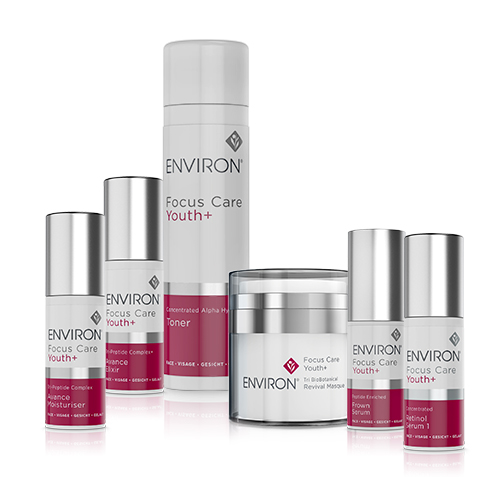
Spritz: The Environ Focus Care Comfort+ Anti-Pollution mist is a lightweight, invisible, breathable shield that offers complete protection with a scientifically perfected blend of anti-pollution ingredients and high potency antioxidants to counteract the harmful effects of pollution.
It helps to rebalance the skin microbiome, provides defence from blue light from screens, strengthens the skin’s resistance and supports a healthy-looking skin barrier. This product can be used throughout the day and over makeup to hydrate the skin.
Did you know ?……..
There is around 20% humidity in cabin air (compared to the 40-60% found on the ground) it’s therefore important to quench your skin’s thirst when flying. Sheet masks are amazing (again easy to carry) and will relieve tired eyes and dehydrated skin. Follow with a light serum to lock in the moisture making you feel tangibly firmer, refreshed, and radiant.
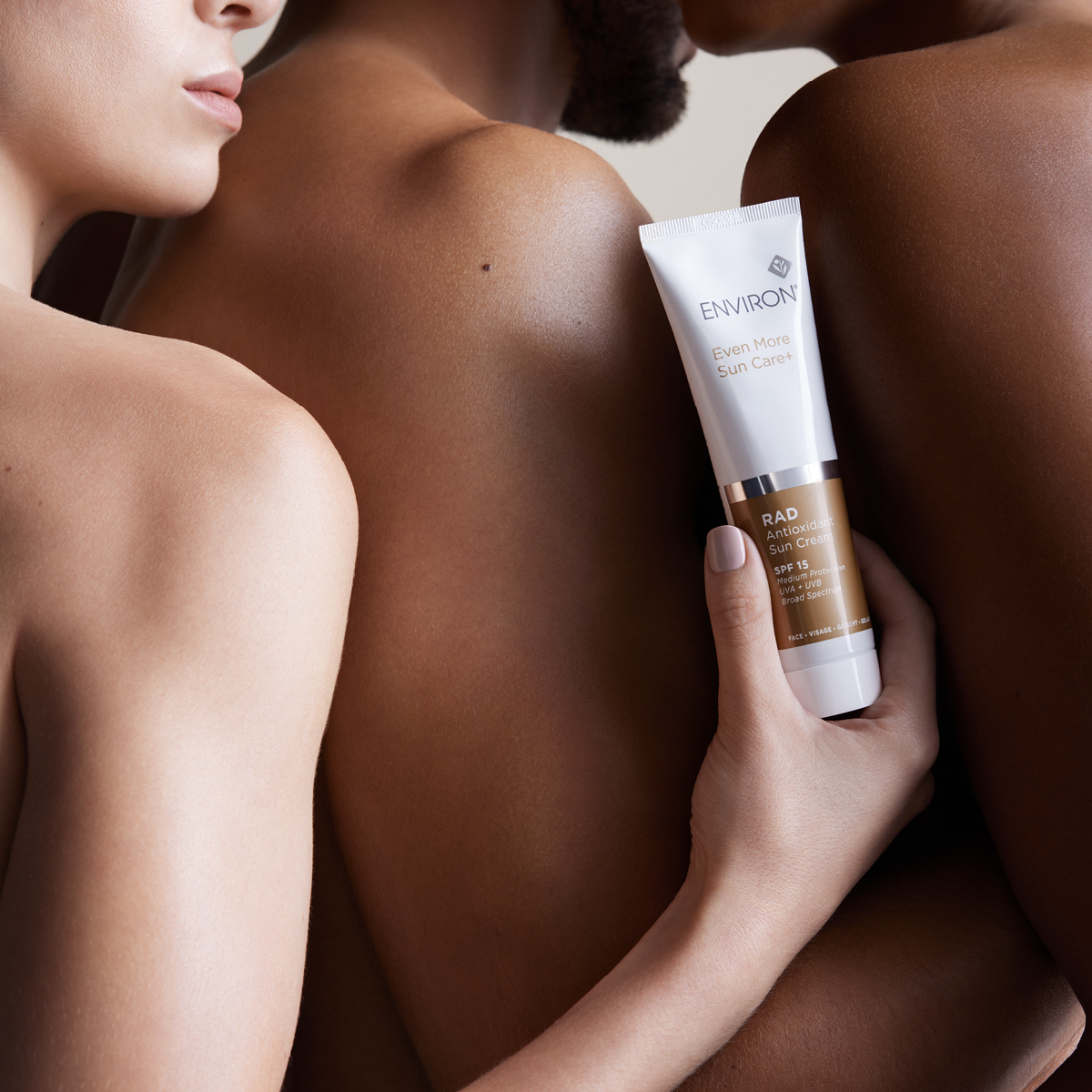
PROTECT: Boost your defences with the ultimate skin care saviour. Yes, we’re talking about SPF. As you’re closer to the ozone layer mid-flight, the UV rays can be potent (especially when sitting in the window seat). Apply your SPF on your face and neck all to give your skin the protection it deserves.
Comments Off on Everything you need to know about Retinol.
What is Retinol?
Retinol is a topical derivative of vitamin A that exfoliates the skin, regenerates cell production, and boosts collagen production over a matter of hours. This multitasking saviour will also help your skin better absorb any other products you apply afterwards such as serums, night creams and overnight masks.
Why should I use it?
Retinol is known to:
Promote a healthy dermis and epidermis.
Assist with collagen and elastin production.
Help strengthen the skin barrier.
Minimise the appearance of dark spots and pigmentation.
Improve the appearance of breakout-prone skin.
If improving acne scarring is high on your skincare agenda, using retinol will speed up cell turnover to help heal the skin, whilst exfoliating the outer layers, preventing pores from clogging, and reducing breakouts. If you are concerned about skin ageing, Retinol helps with that, too – it stimulates collagen and blood vessel production, helping to reduce fine lines, wrinkles, and pigmentation spots.
How do I use it?
Environ’s philosophy is to ‘start low and go slow’. If the skin is prepared with low doses of Vitamin A its less likely to react to a higher dose because the vitamin A receptors are restored and over time, can absorb very high levels of Vitamin A safely. Once the skin is comfortable on medium to high levels of Vitamin A Retinol 1 can be introduced, moving on over time to Retinol 2 and then Retinol 3.
Retinol should only be used during your night-time routine, a couple of times a week (increasing to every other day, if needed, once acclimatised). Start by applying a pea-size amount all over the face, followed by your moisturiser.
Remember to apply an SPF each morning as retinol can cause photosensitivity and harshen the impact of UV on your skin. The effects of retinol build over time and take roughly three months to start working, (keep the faith if you don’t notice results straight away).
Vitamin D is essential for the formation and maintenance of strong bones, teeth and muscles as it assists the body to absorb calcium and phosphate from our diet. Vitamin D is produced under the skin, it is a fatty substance called ergosterol and occurs when we are exposed to sunlight. Vitamin D is our sunshine vitamin because Vitamin D production is stimulated by the ultraviolet light our skin receives from the sun. Almost a quarter of the UK population will have low levels of Vitamin D during the months between October and March.
Therefore it is vitally important during these months to top on our food rich in Vitamin D.
Eat up on your Vitamin D foods.
Oily Fish, salmon, sardines, pilchards, kippers, herring and trout
Cod liver Oil (check first with doctor if you are pregnant)
Some breakfast cereals, infant formula milk and some yoghurts have added or are fortified with Vitamin D
Egg yolk, meat, offal and milk
Kelp or seaweed
However you may not get enough Vitamin D from the sun if you use too much sunscreen or sit in the shade. We need to expose our bare skin to the sun for short periods of time. I like to walk my dog in the early morning sun for 30 mins only, for me that is my daily sunshine vitamin.
The amount of Vitamin D made in the skin depends on how strong the sun is. You will make more during the middle of the day when the sun is at its strongest. But saying that, strong sun does burn the skin, therefore ir is very important to find the balance between making Vitamin D and staying dafe in the sun. Take care not to let the skin go red or burn. Either cover up or use a screen.
What are the true benefits of Vitamin D
Vitamin D helps the immune system to fight infections.
Vitamin D encourages cell differentiation and slows down the rate at which cells multiply, or proliferate.
Vitamin D is a powerful anti-inflammatory agent, which may also contribute to its effectiveness in reducing some types of muscular pain.
Optimum levels of vitamin D protect against diabetes (both type 1 and type 2), insulin resistance and hyperglycemia. Diabetes is usually associated with very low levels of vitamin D.
The pancreas also needs sufficient vitamin D in order to make and secrete insulin.
Getting enough vitamin D helps blood sugar control. It may also help prevent serious diabetic complications.
Deficiency
A lack of vitamin D, known as vitamin D deficiency causes the bones to become soft and weak, which can lead to bone deformities. Vitamin D is essential in bone growth. Its main role in the body is to increase the flow of calcium into the bloodstream. It does this by promoting absorption of calcium from food. Without vitamin D, calcium would not be absorbed into the body.
The main symptoms of Vitamin D deficiency are aching bones, weak muscles, high blood pressure, tiredness and depression.
Interesting facts! Did you know the amount of Vitamin D your body requires is different for certain groups of people, meaning some require more Vitamin D than others?
For example:
Pregnancy
Darker skin – the darker the skin the more sun is needed to receive the same amount of Vitamin D as fair skin.
Elderly people have thinner skin and so the skin cannot produce enough Vitamin D
Housebound and people who work nights and sleep during the day will be deficient in Vitamin D.
Do we need Vitamin D supplements?
All babies under one should be given a daily supplement. Children over one and all adults should consider taking a daily supplement of 10 micrograms, especially during the Autumn and Winter months. During these months we receive Vitamin D from our bodies stores and from food sources but the Scientific Advisory Committee on Nutrition (SACN) report says these are insufficient to keep up Vitamin D levels and they recommend the only way to ensure a healthy Vitamin D status is to take supplements.
A Reference Nutrient Intake (RNI) of 10 micrograms of Vitamin D per day throughout the year, for everyone aged 4 years and above. Although further in the report from SACN they did not take into account any sunlight exposure whilst making recommendations due to the number and complexity of factors that affect skin synthesis of Vitamin D.
Comments Off on Don’t limit powerful anti-ageing ingredients to your face.
Forget the hype, retinol is a skincare powerhouse not just for your face, but for your entire body as well! As the cornerstone ingredient in Environ products, retinol unlocks a world of benefits for your skin, transforming it from head to toe.
Beyond the Face:
Even Skin Tone: Say goodbye to unevenness! Retinol body lotions fight discolouration, promoting a uniform and radiant complexion.
Intense Moisture: Dry, dehydrated skin? Retinol works its magic here too, providing deep hydration for a soft, supple feel.
Banishing Crepey Skin: Wave goodbye to crepey skin on your arms, chest, and legs. Retinol helps improve texture and elasticity for a youthful appearance.
Start Smart, Embrace Protection:
Remember, retinol is potent. When introducing it to your routine, begin slowly, applying every other day or even less initially.
Here’s why:
Delicate Balance: While retinol thickens the lower skin layers for a plumping effect, it can also thin the stratum corneum, the outermost layer. This creates a dewy glow, but also increases sun sensitivity.
Sun Protection is Crucial: Using SPF daily becomes even more important while using retinol products.
Hydration is Key:
To combat dryness, often a side effect of retinol use, look for body lotions with hydrating heroes like coconut oil, argan oil, and hyaluronic acid.
Environ’s A,C & E body oil is an excellent choice for those seeking the magic of retinol. This lightweight oil is quickly absorbed, delivering a high concentration of vitamin A and vital antioxidant vitamins deep into the skin.
Benefits:
Silky Smooth Skin: Experience a luxurious feeling of silkiness and smoothness.
Ideal for Dry & Sun-Damaged Skin: This oil is particularly beneficial for those with dry, premature aging, or sun-damaged skin.
Embrace the radiance from head to toe! Incorporate a retinol-containing body lotion into your routine, along with consistent sun protection, and experience the transformative power of this potent ingredient on your entire body.
Comments Off on Clear Start – Great Skin Should Run In The Family
Clear start is a skin care line for teens and young adults developed to both prevent and treat symptoms of mild to moderate breakouts and acne.
According to the American Academy of Dermatology, acne is the most common skin concern in the USA, affecting 40 to 50 million Americans. For many people, acne begins during the teen years: the AAD states that by the mid teens, more than 40% of adolescents have acne, often severe enough to require medical attention. Acne is broadly defined as one or more recurring acneic skin blemishes per month.
Clear Start now replaces Dermalogica’s previous product line in the teen category, Clean Start. The new acne line addresses teen skin and young adult breakouts more directly than the prior concept, with more explicit product-names and product reformulations of the entire line-up.
Created by Dermalogica, the number one skin care brand worldwide, to treat younger, break-out prone skin. Potent active ingredients and gentle botanicals deliver your clearest, healthiest skin ever.
Clear Start takes a three-level approach to clearing breakouts through combination therapy, combining the best of nature’s botanicals and the science of skin care.
1. unclogs pores
2. break up bacteria
3. control oil
These products deliver real results. And those results speak for themselves.
Be nice to your skin today, and it will behave better in the future. With Clear Start, the future can start as soon as NOW!
Comments Off on Skin changes during the menopause.
From puberty to pregnancy, we are aware of the effects of hormones on our skin. Skin changes during menopause include dryness, increased UV sensitivity, hormonal breakouts, pigmentation spots and dull, exhausted-looking skin are just a few of the effects fluctuating hormones may have on our complexion as we journey through perimenopause – the phase which may last for months or years leading up to the time when periods eventually cease.
Every woman’s menopause experience is entirely unique (from hot flashes to insomnia, anxiety to joint pains and mood swings…) so the way your skin reacts will be too.
Taking care of your skin during menopause is really all about hydration and reintroducing ingredients to boost collagen production. As you age, it’s important to adapt your skincare routine to suit your skin needs
Top Tips
Vitamin A repairs skin and stimulates collagen production. It’s safe, and as long as the treatment you choose doesn’t dry you out, it’s fine to use it for an extended period of time. Hyperpigmentation can sometimes be more of an issue during menopause because skin is thinner, and you’ve had more chronic sun exposure at this point. You might have had lots of tans or burns in the past, so you have a lot of melanin in your skin and get darker more easily. Vitamin A can help with this, too.
Use a really good, rich moisturiser. Something with hyaluronic acid will be particularly helpful at easing the dryness that many women experience with menopause.
It’s a good idea to do a gentle at-home peel twice a week to remove dead skin cells, brighten, and allow products to penetrate the skin more easily.
Unfortunately, facial hair can start to appear due to the imbalance of oestrogen and testosterone. Electrolysis is the best treatment for this.
Vitamin D is a very important supplement, and we often underuse it. It is important for keeping the skin firm, supporting its repair mechanisms, and activating its anti-microbial systems.
For Advice on Environ Vitamin A Products or ANP supplements please get in touch or book a virtual consultation via our home page.