

Author Archives: Hilary Lowry

  1. Clearing the Canvas. Effective Tips for Minimising and Treating Scarring.

    Comments Off on Clearing the Canvas. Effective Tips for Minimising and Treating Scarring.

    Scarring can be an unwelcome reminder of past acne breakouts, injuries, or surgical procedures. But the good news is that with the right knowledge and treatment, you can minimise their appearance and reclaim your smooth skin. In this article, we explore various effective tips and techniques to help you clear the canvas of your skin.

    From over-the-counter creams to time-proven home remedies, let’s look at scar treatments, giving you actionable steps to fade those stubborn marks and offer practical advice to achieve the best results.

    Whether you are dealing with fresh wounds or older scars, this article will provide you with the tools and information you need to start your journey towards smoother, scar-free skin. Get ready to say goodbye to unwanted reminders and hello to newfound confidence.

    Remember, every skin is unique, so it’s essential to consult with a dermatologist or healthcare professional for personalised advice and treatment options.

    Understanding skin scarring

    Scarring is a natural part of the skin’s healing process, but understanding how it occurs can help us prevent and treat it effectively. When the deeper layers of the skin are damaged, the body produces collagen to repair the injury. The new collagen fibers can sometimes create a scar, which differs in texture and color from the surrounding skin. Scarring can be influenced by various factors, including the depth and size of the wound, genetics, and individual healing abilities.

    It’s important to note that not all scars are the same. They can range from small and barely noticeable to large and raised. The type of scar you have will determine the appropriate treatment approach. By understanding the different types of scars, you can better tailor your treatment plan to achieve the best results.

    Common causes of skin scarring

    Scarring can occur as a result of various factors, including acne, burns, cuts, surgeries, and even certain skin conditions. Understanding the common causes of skin scarring is the first step towards prevention and effective treatment.

    Acne: One of the leading causes of scarring is severe acne, which can leave behind pitted or raised scars on the skin. When acne penetrates deep into the skin, it damages the collagen and elastin fibers, leading to the formation of scars.

    Injuries: Deep cuts, burns, or other traumatic injuries can result in scars. The body’s natural healing process involves the formation of collagen fibers to repair the damaged tissue, but sometimes, an excessive amount of collagen is produced, leading to raised or hypertrophic scars.

    Surgical Procedures: Surgeries, whether cosmetic or medical, can also leave scars. The size and appearance of surgical scars depend on various factors, including the type of surgery, the skill of the surgeon, and the individual’s healing ability.

    Types of skin scars

    Not all scars are the same. Understanding the different types of skin scars can help you determine the most appropriate treatment approach.

    Keloid Scars: Keloid scars are characterised by their raised, thick, and sometimes itchy appearance. They extend beyond the original wound and are caused by an overproduction of collagen during the healing process. Keloid scars can be challenging to treat and may require a combination of medical interventions.

    Hypertrophic Scars: Similar to keloid scars, hypertrophic scars are raised and thick. However, unlike keloids, they do not extend beyond the original wound site. Hypertrophic scars may fade over time, but they can be persistent and may require interventions to minimise their appearance.

    Atrophic Scars: Atrophic scars are characterised by their depressed or pitted appearance. They often occur as a result of acne or conditions that affect the skin’s collagen production. Atrophic scars can be shallow or deep, and their treatment approach may vary depending on their severity.

    Tips for preventing skin scarring

    Prevention is always better than treatment when it comes to scarring. By taking proactive steps, you can reduce the likelihood of scars forming in the first place.

    Keep Wounds Clean: Proper wound care is crucial for preventing infection and minimising scarring. Clean wounds with mild soap and water, apply an antiseptic ointment, and cover them with a sterile bandage.

    Avoid Picking or Squeezing Pimples: Picking or squeezing pimples can lead to further inflammation, prolong the healing process, and increase the risk of scarring. Instead, opt for gentle cleansing and use acne treatments recommended by aestheticians or dermatologists.

    Protect Your Skin from the Sun: Sun exposure can darken scars and make them more noticeable. Apply a broad-spectrum sunscreen with a high SPF to protect your skin from harmful UV rays and cover scars with clothing or a hat when spending time outdoors.

    Treating fresh scars

    When it comes to treating fresh scars, early intervention is key. By starting treatment as soon as possible, you can promote faster healing and minimise the likelihood of long-term scarring.

    Topical Scar Creams: Over-the-counter scar creams containing ingredients such as silicone, vitamin E, or onion extract can help soften and fade fresh scars. These creams work by hydrating the skin, reducing inflammation, and stimulating collagen production.

    Silicone Sheets or Gel: Silicone sheets or gels create a protective barrier over the scar, allowing it to heal in a controlled environment. They can help flatten and fade fresh scars when used consistently over time.

    Medical Interventions: In some cases, medical interventions may be necessary to treat fresh scars. These can include corticosteroid injections to reduce inflammation, laser therapy to stimulate collagen production, or surgical scar revision to improve the scar’s appearance.

    Minimising the appearance of old scars

    Old scars can be more challenging to treat, but with persistence and the right approach, you can still achieve noticeable improvements.

    Exfoliation: Regular exfoliation can help remove dead skin cells and promote the growth of new, healthy skin. Use gentle exfoliants, such as mild chemical peels or exfoliating scrubs, to minimise the appearance of old scars.

    Moisturisation: Keeping the skin well-hydrated can improve its overall texture and minimise the appearance of scars. Use a moisturiser containing ingredients like hyaluronic acid or shea butter to nourish and hydrate the skin.

    Micro-needling: Micro-needling involves using a device with tiny needles to create controlled micro-injuries in the skin. This stimulates collagen production and can help improve the appearance of old scars when done by a trained professional.

    Natural remedies for scar reduction

    If you prefer natural remedies, several options can help reduce the appearance of scars. While their effectiveness may vary, they are generally safe and can complement other scar treatments.

    Aloe Vera: Aloe vera gel has soothing and healing properties that can help fade scars. Apply pure aloe vera gel directly to the scar and leave it on for at least 30 minutes before rinsing off.

    Coconut Oil: Coconut oil is known for its moisturising properties and can help improve the appearance of scars. Massage a small amount of organic, cold-pressed coconut oil into the scarred area in circular motions.

    Lemon Juice: Lemon juice contains natural exfoliating properties and can help lighten the appearance of scars. Dilute fresh lemon juice with water and apply it to the scar for 10-15 minutes before rinsing off.

    Medical treatments for scar removal

    For severe or persistent scars, medical treatments may be necessary to achieve significant improvement or scar removal.

    Chemical Peels: Chemical peels involve applying a chemical solution to the skin, which causes controlled exfoliation and the growth of new skin cells. This can help improve the appearance of scars, particularly atrophic scars.

    Dermabrasion: Dermabrasion is a procedure that involves removing the top layer of skin using a rotating brush or diamond wheel. It can help smooth out the surface of the skin and reduce the appearance of scars.

    Laser Resurfacing: Laser resurfacing uses high-energy light beams to remove the top layer of skin and stimulate collagen production. This can be an effective treatment for various types of scars.

    Lifestyle changes to promote skin healing

    In addition to specific scar treatments, certain lifestyle changes can promote overall skin healing and improve the effectiveness of scar reduction efforts.

    Healthy Diet: A nutrient-rich diet can provide the building blocks necessary for skin repair and collagen production. Include plenty of fruits, vegetables, lean proteins, and foods high in omega-3 fatty acids to support skin health.

    Adequate Hydration: Drinking enough water helps keep the skin hydrated and promotes overall skin health. Aim for at least eight glasses of water per day to support the healing process.

    Stress Management: Chronic stress can hinder the body’s natural healing processes. Engage in stress-relieving activities such as meditation, yoga, or hobbies to promote overall well-being and skin healing.

    Conclusion

    Clearing the canvas of your skin and minimising the appearance of scars is possible with the right knowledge, treatment, and persistence. Whether you are dealing with fresh wounds or older scars, there are various effective tips and techniques you can employ to regain smoother, scar-free skin.

    Remember, the key is to be proactive, seek professional advice when needed, and choose the most appropriate treatments for your specific situation. With patience and consistent effort, you can fade those stubborn marks and embrace newfound confidence in your skin.

    So, start implementing these tips today, and say goodbye to unwanted reminders. Here’s to a future with clearer, more radiant skin!
  2. Laser Hair Removal vs. Electrolysis: Which Hair Removal Method is Right for You?

    Comments Off on Laser Hair Removal vs. Electrolysis: Which Hair Removal Method is Right for You?

    Laser Hair Removal vs. Electrolysis: Which Hair Removal Method is Right for You?

    Are you tired of the never-ending battle with unwanted hair? Laser hair removal and electrolysis are two popular options for achieving smooth and hair-free skin. But which method is right for you? In this article, we’ll delve into the key differences between laser hair removal and electrolysis, helping you make an informed decision.

    Laser hair removal uses a concentrated beam of light to target and destroy the hair follicles, while electrolysis involves the use of a small electric current to permanently remove individual hairs. Both methods have their pros and cons, and understanding them is crucial for getting the best results.

    If you value speed and efficiency, laser hair removal might be the right choice for you. It’s a quick and relatively painless procedure that can treat larger areas of the body in a single session. On the other hand, if you’re looking for a more precise and targeted approach, electrolysis may be the better option, as it can effectively treat all hair colors and skin types.

    Ultimately, the choice between laser hair removal and electrolysis depends on your unique needs and preferences. Ready to say goodbye to unwanted hair? Let’s explore these hair removal methods and find the one that suits you best.

    Factors to consider when choosing between laser hair removal and electrolysis

    When it comes to permanent hair removal, laser hair removal and electrolysis are two of the most popular options. Both methods have their own unique advantages and disadvantages, and the choice between the two ultimately depends on your individual needs and preferences.

    One of the key factors to consider is the type of hair and skin you have. Laser hair removal is most effective on coarse, dark hair and light skin tones, as the laser targets the melanin in the hair follicles. Electrolysis, on the other hand, can be used on all hair and skin types, making it a more versatile option.

    Another important factor is the area of the body you want to treat. Laser hair removal is generally more suitable for larger areas, such as the legs, back, or chest, as it can cover a larger surface area in a shorter amount of time. Electrolysis, on the other hand, is better suited for smaller, more targeted areas, such as the upper lip or chin, as it requires treating each individual hair follicle.

    The cost and number of treatments required is also a significant consideration. Laser hair removal is typically more expensive upfront, but may require fewer treatments to achieve the desired results. Electrolysis, on the other hand, is generally less expensive per session, but may require more treatments to fully remove all unwanted hair.

    Finally, the level of pain and discomfort associated with each method is also an important factor to consider. Laser hair removal is generally less painful than electrolysis, as the laser energy is applied quickly and the treatment area is numbed beforehand. Electrolysis, on the other hand, can be more uncomfortable as the electric current is applied directly to each individual hair follicle.

    By carefully considering these factors, you can make an informed decision on which hair removal method is right for you and your unique needs.

    How does electrolysis work?

    Electrolysis is a hair removal method that uses a small electric current to permanently destroy the hair follicle, preventing future hair growth. The process involves inserting a fine, sterile needle-like probe into the hair follicle and delivering a small electric current, which heats and damages the follicle.

    The electricity disrupts the growth cycle of the hair, causing the follicle to become inactive and unable to produce new hair. This process is repeated for each individual hair follicle, making electrolysis a more time-consuming and labor-intensive procedure compared to laser hair removal.

    One of the key advantages of electrolysis is its versatility. Unlike laser hair removal, which is most effective on coarse, dark hair and light skin tones, electrolysis can be used on all hair and skin types, including fine, light-colored hair and darker skin tones. This makes it a suitable option for a wider range of individuals.

    Another benefit of electrolysis is its precision. Because the treatment is applied to each individual hair follicle, it allows for a more targeted and customized approach to hair removal. This can be particularly useful for treating small, hard-to-reach areas, such as the upper lip or chin.

    However, the precision of electrolysis also means that the process can be more time-consuming and uncomfortable for the client. The insertion of the probe into each hair follicle can be somewhat painful, and multiple sessions are usually required to achieve the desired results.

    Despite these drawbacks, electrolysis remains a popular and effective hair removal option for those who prefer a more targeted and personalized approach, or for those who have tried and been unsuccessful with other hair removal methods.

    Pros and cons of electrolysis

    Pros of electrolysis:

    • Effective on all hair and skin types, including fine, light-colored hair and darker skin tones
    • Allows for a targeted and customized approach to hair removal, making it suitable for small, hard-to-reach areas
    • Provides permanent hair removal, as the electric current permanently destroys the hair follicle
    • Can be a good option for individuals who have tried and been unsuccessful with other hair removal methods

    Cons of electrolysis:

    • More time-consuming and labor-intensive than laser hair removal, as each individual hair follicle must be treated
    • Can be more uncomfortable and painful for the client, as the insertion of the probe into each hair follicle can be somewhat painful
    • Requires multiple sessions to achieve the desired results, which can be more costly in the long run
    • May not be as effective on coarse, dark hair and light skin tones compared to laser hair removal

    Despite the cons, electrolysis remains a viable option for those who value a more targeted and customized approach to hair removal, or for those who have had limited success with other methods. It’s important to weigh the pros and cons carefully and consult with a qualified professional to determine if electrolysis is the right choice for your individual needs and preferences.

    Understanding laser hair removal

    Laser hair removal is a popular and effective method of permanent hair reduction that uses concentrated beams of light to target and destroy the hair follicles. The laser energy is absorbed by the melanin in the hair, which heats up and damages the follicle, preventing future hair growth.

    One of the key advantages of laser hair removal is its speed and efficiency. The laser can cover a larger surface area in a shorter amount of time, making it a more practical option for treating larger areas of the body, such as the legs, back, or chest. This can be particularly beneficial for individuals who are looking to achieve smooth, hair-free skin quickly and with minimal discomfort.

    Another advantage of laser hair removal is its precision. The laser can be precisely targeted to the hair follicles, minimizing the risk of damage to the surrounding skin. This can be especially important for treating sensitive areas, such as the upper lip or bikini line, where a more targeted approach is required.

    Laser hair removal is also generally less painful than electrolysis, as the laser energy is applied quickly and the treatment area is numbed beforehand. This can make the procedure more comfortable and tolerable for the client, particularly for those who are sensitive to pain or discomfort.

    However, laser hair removal is not without its limitations. It is most effective on coarse, dark hair and light skin tones, as the laser targets the melanin in the hair. Individuals with fine, light-colored hair or darker skin tones may not be ideal candidates for this method, as the laser may not be able to effectively target the hair follicles.

    Despite these limitations, laser hair removal remains a popular and effective option for many individuals who are looking to achieve smooth, hair-free skin with minimal effort and discomfort.

    Pros and cons of laser hair removal

    Pros of laser hair removal:

    • Faster and more efficient than electrolysis, as the laser can cover larger areas of the body in a shorter amount of time
    • Generally less painful than electrolysis, as the laser energy is applied quickly and the treatment area is numbed beforehand
    • Provides precise targeting of the hair follicles, minimizing the risk of damage to the surrounding skin
    • Effective on coarse, dark hair and light skin tones
    • Requires fewer treatments to achieve the desired results compared to electrolysis

    Cons of laser hair removal:

    • Less effective on fine, light-colored hair and darker skin tones, as the laser targets the melanin in the hair
    • Can be more expensive upfront compared to electrolysis, although the overall cost may be lower due to fewer treatments required
    • May not be suitable for individuals with certain medical conditions, such as active infections or certain skin conditions
    • Requires a skilled and experienced practitioner to ensure safe and effective treatment

    Despite these limitations, laser hair removal remains a popular and effective option for many individuals who are looking to achieve smooth, hair-free skin with minimal effort and discomfort. By carefully weighing the pros and cons and consulting with a qualified professional, you can determine if laser hair removal is the right choice for your individual needs and preferences.

    Client testimonials and success stories

    To better understand the real-world experiences of those who have undergone laser hair removal and electrolysis, let’s take a look at some client testimonials and success stories:

    “I’ve struggled with unwanted facial hair my entire life, and I’ve tried everything from waxing to shaving. But nothing has worked as well as electrolysis. The treatments are a bit uncomfortable, but the results are worth it. I’ve finally been able to feel confident and comfortable in my own skin.” – Sarah, 35

    “After years of dealing with ingrown hairs and irritation from shaving, I decided to try laser hair removal on my legs. The treatments were quick and relatively painless, and I was amazed at how smooth and hair-free my legs looked after just a few sessions. I wish I had done this sooner!” – Michael, 28

    “I have very fair skin and light-colored hair, so I was hesitant to try laser hair removal. But my technician was incredibly knowledgeable and recommended a customized treatment plan that worked perfectly for me. I’m thrilled with the results and the confidence it’s given me.” – Emily, 42

    “Electrolysis has been a game-changer for me. I used to spend hours every week trying to manage the hair on my back and shoulders, but now it’s virtually gone. The treatments can be time-consuming, but the permanent results are worth it. I highly recommend electrolysis to anyone struggling with unwanted hair.” – David, 31

    These testimonials highlight the real-world experiences of individuals who have found success with both laser hair removal and electrolysis. By understanding the unique benefits and drawbacks of each method, you can make an informed decision on which hair removal option is the best fit for your individual needs and goals.

  3. Erase Sun Spots: Expert Tips for a Bright and Even Complexion.

    Comments Off on Erase Sun Spots: Expert Tips for a Bright and Even Complexion.

    Are you tired of dealing with sun spots and dull skin? Say goodbye to those pesky blemishes and hello to clear, radiant skin! In this comprehensive guide, we’ll walk you through everything you need to know about getting rid of sun spots and achieving a flawless complexion.

    Sun spots, also known as age spots or liver spots, are a common skin concern caused by prolonged sun exposure. These dark patches can be frustrating to deal with, but with the right skincare routine and treatments, you can fade them away for good.

    In this article, we’ll discuss the causes of sun spots, how to prevent them, and the best treatments available. From topical creams and serums to professional procedures like laser treatments and chemical peels, we’ll explore all the options to help you find the one that suits you best.

    Ready to say goodbye to sun spots? Let’s dive in and uncover the secrets to clear and radiant skin. Say hello to a more confident you!

    Understanding Sun Spots and Their Causes

    Sun spots, also known as solar lentigines, are flat, brown, or black spots that appear on areas of the skin that have been exposed to the sun over time. They are commonly found on the face, hands, shoulders, and arms, and they tend to become more pronounced as we age. These spots are primarily a result of excess melanin production, which occurs due to prolonged exposure to ultraviolet (UV) rays from the sun. The skin’s natural defense mechanism against sun damage is to produce more melanin, leading to the formation of these dark patches.

    The development of sun spots is particularly influenced by several factors, including skin type and genetics. Individuals with lighter skin tones are generally more susceptible to sun spots compared to those with darker skin. Additionally, people with a family history of skin issues may be at a higher risk. Hormonal changes, particularly in women during pregnancy or menopause, can also trigger the appearance of sun spots, further complicating their management.

    Understanding the underlying causes of sun spots is essential for prevention and treatment. While UV exposure is the leading cause, other factors such as age, certain medications, and skin injuries can also contribute to their formation. As we age, our skin becomes thinner and less able to repair itself, making it more vulnerable to these blemishes. Being aware of these triggers can help you take proactive steps to protect your skin and maintain a more even complexion.

    The Impact of Sun Spots on Your Skin

    Sun spots can significantly affect not just the appearance of your skin but also your overall confidence and self-esteem. These blemishes can create an uneven skin tone, making the skin appear older and less vibrant. For many, the presence of sun spots can lead to feelings of self-consciousness, prompting them to seek out various cosmetic solutions. This emotional impact can often be as challenging as the physical aspects, leading individuals to invest time and money into skincare regimes and treatments.

    Moreover, the presence of sun spots can be indicative of skin damage caused by UV rays, which may also increase the risk of more severe skin issues, including skin cancer. Hence, while sun spots themselves may not pose a direct health threat, their presence can serve as a warning sign of previous sun exposure that has potentially harmed your skin. Regularly monitoring these spots for changes is crucial, as any alterations in size, colour, or shape should be assessed by a dermatologist.

    Finally, the societal perception of beauty often equates clear, radiant skin with youth and vitality. As such, sun spots can be viewed as a flaw that detracts from our overall appearance. This perception drives many individuals to seek treatments not only for cosmetic reasons but also to align with societal standards of beauty and self-care. Understanding these impacts can motivate individuals to take action against sun spots, leading to healthier skin and improved confidence.

    Prevention and Protection from Sun Spots

    Preventing sun spots starts with a proactive approach to sun protection. One of the most effective ways to shield your skin from harmful UV rays is to use a broad-spectrum sunscreen with an SPF of at least 30. This should be applied generously to all exposed areas of the skin, even on cloudy days or during winter months when UV rays can still penetrate through the clouds. Reapplying sunscreen every two hours, or more frequently when swimming or sweating, is crucial for maintaining its protective barrier.

    In addition to sunscreen, wearing protective clothing can significantly reduce the risk of sun spots. Long-sleeved shirts, wide-brimmed hats, and UV-protective sunglasses can provide an extra layer of defense against harmful rays. Opting for clothing designed with UV protection in mind can further enhance your skin’s safety. It’s also wise to seek shade when the sun is at its peak, typically between 10am and 4pm, as this is when UV radiation is strongest.

    It’s important to note that prevention is not solely about sun exposure. A healthy diet rich in antioxidants can also support skin health and help protect against sun damage. Foods high in vitamins C and E, such as berries, nuts, and leafy greens, can contribute to a more robust skin barrier. Staying hydrated and avoiding smoking can further enhance your skin’s resilience, making it less susceptible to the damaging effects of UV rays and reducing the likelihood of sun spots.

    Natural Remedies for Reducing Sun Spots

    If you’re looking for natural remedies to help reduce the appearance of sun spots, there are several options that have shown promise. One of the most popular remedies is the application of lemon juice. The citric acid in lemon juice acts as a natural bleaching agent and can help lighten dark patches over time. Simply applying fresh lemon juice to the affected areas, allowing it to sit for about 10 minutes before rinsing, can yield noticeable results. However, it’s essential to follow up with sunscreen, as lemon juice can make your skin more sensitive to sunlight.

    Another effective natural remedy is aloe vera. Renowned for its soothing properties, aloe vera contains aloin, a compound that has been shown to lighten hyperpigmentation. Applying pure aloe vera gel to the affected areas before bed can help fade sun spots gradually. Additionally, aloe vera is hydrating and supports the skin’s natural healing processes, making it an excellent addition to your skincare routine.

    Turmeric is also gaining recognition for its skin-brightening properties. Curcumin, the active ingredient in turmeric, is known for its anti-inflammatory and antioxidant effects. Mixing turmeric powder with yogurt or honey to create a paste and applying it to sun spots can help reduce their appearance. Regular use can lead to a more even skin tone, though it’s essential to perform a patch test first to avoid any potential allergic reactions or staining.

    Over-the-Counter Treatments for Sun Spots

    Over-the-counter (OTC) treatments can be an effective way to address sun spots without the need for professional intervention. One of the most common active ingredients in these products is hydroquinone, a skin-lightening agent that can reduce the appearance of hyperpigmentation. Available in various strengths, hydroquinone works by inhibiting melanin production in the skin. However, it’s essential to use this ingredient cautiously and in consultation with a dermatologist, as overuse can lead to irritation or a condition known as ochronosis, which causes darkening of the skin.

    Another popular option is retinoids, which are derived from vitamin A. These compounds promote skin cell turnover and can help fade sun spots by encouraging the growth of new, evenly pigmented skin cells. Many OTC products contain retinol or retinoic acid, which can be effective with consistent use. However, it’s important to note that retinoids can cause dryness and irritation, especially when you first start using them. Therefore, it’s advisable to begin with a lower concentration and gradually increase usage as your skin adjusts.

    Alpha hydroxy acids (AHAs), such as glycolic acid, are also commonly found in OTC treatments for sun spots. These acids exfoliate the outer layer of skin, helping to remove dead skin cells and promote the growth of new ones. Regular use of AHA-containing products can lead to a more even skin tone and a reduction in the appearance of sun spots. However, as with other active ingredients, it’s crucial to follow up with sunscreen, as AHAs can make your skin more sensitive to the sun.

    Professional Treatments for Sun Spots

    For individuals seeking quicker and more significant results in treating sun spots, professional treatments are available. One of the most popular options is laser therapy, which uses focused light to target and break down melanin in the skin. Various types of lasers, such as fractional lasers and pulsed dye lasers, can be tailored to an individual’s skin type and the severity of their sun spots. While effective, multiple sessions may be required, and there can be some downtime associated with the treatment.

    Another effective professional option is chemical peels. These treatments involve applying a chemical solution to the skin, which exfoliates the outer layers and can help fade sun spots over time. The strength of the peel can vary, with deeper peels providing more dramatic results but also requiring more recovery time. Chemical peels can be customised to suit your specific skin needs, making them a versatile option for addressing pigmentation issues.

    Microdermabrasion is another non-invasive treatment that can help improve skin texture and reduce the appearance of sun spots. This procedure involves using fine crystals to exfoliate the top layer of skin, promoting new skin growth and enhancing overall skin tone. While microdermabrasion typically requires several sessions for optimal results, it is a gentle option with minimal downtime, making it suitable for those with busy lifestyles.

    Lifestyle Changes for Maintaining Clear and Radiant Skin

    In addition to targeted treatments and skincare products, implementing lifestyle changes can significantly impact the clarity and radiance of your skin. One crucial change is adopting a balanced diet rich in antioxidants, vitamins, and minerals. Foods such as fruits, vegetables, nuts, and whole grains can provide the necessary nutrients to support skin health. Antioxidants help combat free radicals that contribute to skin aging and damage, while vitamins A, C, and E are vital for maintaining a youthful complexion.

    Staying hydrated is another essential factor in achieving clear skin. Drinking adequate amounts of water daily helps keep your skin hydrated and supports its natural processes. Hydration aids in maintaining skin elasticity and can help prevent dryness, which can exacerbate the appearance of sun spots. Additionally, incorporating herbal teas and reducing caffeine and alcohol intake can also contribute to better hydration levels.

    Finally, managing stress through regular exercise, meditation, or hobbies can positively influence your skin. Stress can lead to hormonal imbalances that may trigger skin issues, including the exacerbation of sun spots. Engaging in activities that promote relaxation and well-being can help maintain a clearer complexion. Prioritising sleep is equally important, as it allows your skin to repair and rejuvenate overnight, leading to a healthier and more radiant appearance.

    Skincare Routine for Preventing Sun Spots

    Establishing a consistent skincare routine is vital for preventing sun spots and promoting overall skin health. The first step is cleansing, which helps remove dirt, oil, and impurities that can contribute to skin issues. A gentle cleanser suitable for your skin type should be used twice a day, in the morning and before bed, to maintain a clean canvas for other products.

    After cleansing, incorporating a toner can help restore the skin’s pH balance and prepare it for the next steps in your routine. Look for toners that contain ingredients like witch hazel or rose water, which can soothe the skin and provide additional hydration. Following up with a serum that contains antioxidants, such as vitamin C, can provide a protective layer against environmental damage and help brighten the skin.

    The final steps in your skincare routine should include moisturiser and sunscreen. A lightweight, non-comedogenic moisturiser will keep your skin hydrated without clogging pores. In the daytime, applying a broad-spectrum sunscreen is crucial for protecting against UV damage and preventing the formation of new sun spots. Consistency in these steps can lead to healthier, clearer skin over time, making it easier to manage and prevent any future blemishes.

    Recommended Products for Treating Sun Spots

    When it comes to treating sun spots, numerous products on the market can help you achieve your skincare goals. For those looking for effective OTC treatments, consider serums containing vitamin C, which is known for its brightening and antioxidant properties. Brands like SkinCeuticals and Paula’s Choice offer high-quality vitamin C serums that can help reduce pigmentation and enhance skin radiance.

    For individuals interested in retinoids, look for products containing retinol, as they promote cell turnover and can significantly improve skin texture and tone. Environ Skincare offers retinol formulations that are effective yet gentle on the skin. Always start with a lower concentration to gauge your skin’s tolerance before progressing to stronger formulations.

    If you’re considering chemical exfoliants, products with glycolic or salicylic acid can be beneficial. These ingredients help slough off dead skin cells and promote new cell growth. Brands like Drunk Elephant and Mario Badescu have excellent exfoliating toners and treatments that can help fade sun spots while improving overall skin texture. Always remember to follow up with sunscreen when using products that increase skin sensitivity.

    Final Thoughts on Achieving Clear and Radiant Skin

    Achieving clear and radiant skin is a journey that requires commitment and a multi-faceted approach. Sun spots may be a common concern, but understanding their causes and how to prevent them can empower you to take charge of your skin’s health. By integrating protective measures like sunscreen and protective clothing into your daily routine, you can significantly reduce the risk of developing new spots while addressing existing ones through various treatments.

    Implementing natural remedies, over-the-counter products, and professional treatments can all play a role in your skincare arsenal. However, the effectiveness of these approaches is often enhanced by lifestyle changes that promote overall well-being, such as a balanced diet, adequate hydration, and stress management. Remember that consistency is key; your skin needs time to respond to treatments and lifestyle changes.

    Ultimately, embracing a holistic mindset towards skincare will not only aid in fading sun spots but also contribute to a healthier and more vibrant complexion. Celebrate the small victories along the way, and remember that radiant skin is not just about appearance but also about how you feel within. With dedication and the right tools, you can confidently say goodbye to sun spots and hello to the clear, luminous skin you desire.

  4. Top Skincare tips for the over 40’s

    Comments Off on Top Skincare tips for the over 40’s

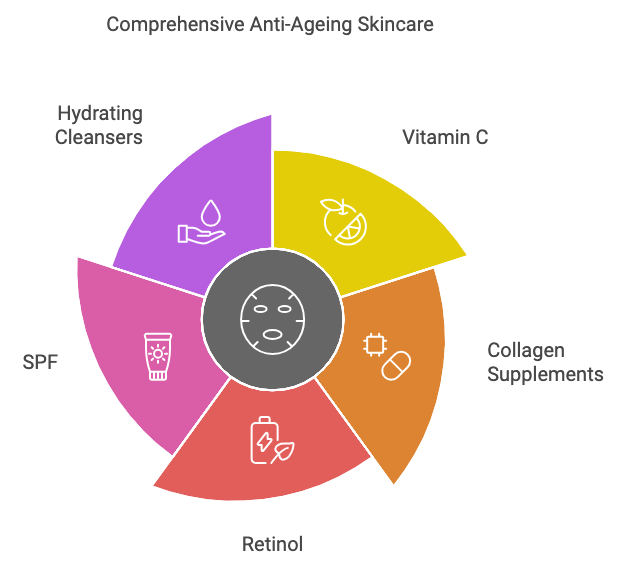
    As we age, the visible effects of time begin to show on our skin. For those over 40, skincare routines take on a more vital role in addressing concerns such as fine lines, wrinkles, and loss of elasticity. This is the time when our skin tends to lose its vibrancy, often becoming dehydrated and dull. Skincare anti-ageing products are crucial to combat these signs and maintain a youthful glow. With perimenopausal and menopausal changes kicking in, the decline in oestrogen levels can exacerbate skin concerns. By incorporating the right products, including retinol serums and face products designed specifically for ageing skin, you can promote better skin health and enhance elasticity.

    It’s never too late to start a good skincare regime. Below are some top tips and product recommendations for those looking to refresh and rejuvenate their skin.

    Best Anti-Ageing Skincare Products & Practices

    Vitamin C: A Key Player in Anti-Ageing Both orally and topically, Vitamin C supports collagen levels and has a brightening effect on the skin. The Advanced Nutrition Programme Skin Vit C contains zinc, Acerola Berry, and Vitamin C, which works together to enliven dull skin, boost the immune system, and provide antioxidant protection.

    Interesting fact: Acerola Berry contains 50-100 times more Vitamin C than oranges, making it a potent source of this essential nutrient.

    Skin Collagen Synergy: is a science-led supplement designed to support internal collagen formation, delivering renewed resilience. With 32 vegan-friendly nutrients, this supplement aids in healthy collagen production, reducing the appearance of fine lines and wrinkles, and giving the skin a firmer, lifted look.

    Interesting fact: From the age of 25, our collagen levels deplete by 1% per year. To counteract this, combining collagen-building nutrients like Vitamin C, zinc, and phytonutrients should be a priority, as they all feature in Skin Collagen Synergy.

    Environ Hydra Intense Cleansing Lotion :This luxurious and hydrating cleanser contains jojoba seed oil to moisturise, olive oil esters for anti-inflammatory effects, and hydrolysed oats to lock in hydration. With Vitamin B5 helping to calm and heal the skin, it’s perfect for sensitive and dry skin types.

    C-Quence Serum : This gorgeous serum is in our premium range and is ideal for mature skin. It delivers tangible results in a short time. The formulations contain high levels of Vitamin A, along with powerful anti-ageing peptides, antioxidants, and vitamins, helping to create youthful, glowing skin. Start with C-Quence 1, working up to C-Quence 4 for the best results.

    Antioxidant Defense Crème: This product is packed full of antioxidants that nourish and protect the skin, giving it a healthy glow. It contains UV and blue light filters to guard against the effects of device exposure.

    Retinol: The Anti-Ageing Powerhouse Retinol is one of the most effective anti-ageing ingredients available. It works by increasing cell turnover, stimulating collagen production, and encouraging the skin to renew itself. Retinol can improve the appearance of fine lines, wrinkles, and dullness by exfoliating the skin and providing a plumping effect.

    How to use: Start with a concentration of 0.1% to 0.2% and gradually work up to 1% as your skin builds tolerance. Be cautious of retinoid reactions, which can include irritation, redness, and peeling. Use retinol at night, incorporating it into your routine slowly, starting with two nights a week.

    SPF – The Most Important Skincare Product No matter the season, always apply an SPF to protect against premature ageing, pigmentation, and sun spots. Sun damage is one of the leading causes of visible ageing, so don’t skip this step in your morning routine!

    The Takeaway: Skincare for Ageing Skin

    To support skin health as we age, it’s never too late to invest in a comprehensive skincare regime that includes retinol serums, collagen-boosting supplements, and daily SPF. Incorporating Vitamin C supplements, as well as topical treatments, provides brightening benefits, while hydrating formulas like the Environ Hydra Intense Cleansing Lotion keep your skin nourished and protected.

    By choosing the right face products for ageing skin, you can target specific concerns like fine lines, loss of elasticity, and dullness. The key to youthful skin lies in consistent care, backed by science and high-quality ingredients.

  5. How to Keep Your Skin Glowing at Any Age

    Comments Off on How to Keep Your Skin Glowing at Any Age

    Ageless beauty isn’t about reversing time; it’s about maintaining a glowing, healthy, and radiant complexion as we grow older. Our skin tells a story, and taking consistent care of it ensures that it continues to look vibrant at any age.

    Glowing Skin Essentials by Decade

    In Your Teens and 20s: Prevention is Key
    Establishing a good skincare routine early on makes all the difference in the long run. Prioritise a high-quality glowing skincare routine with a daily SPF to protect from sun damage. Look for products that help brighten your skin, such as a glowing skin cream. Vitamin C Moisturisers will brighten the skin and improve your complexion as well as protecting your skin from environmental factors. By building a habit of consistency in your skincare regimen now, you’ll reap the benefits later in life.

    In Your 30s: Start Retinol and Hydration
    As you enter your 30s, your skin starts showing the early signs of aging. This is the perfect time to introduce Retinol into your routine to encourage cell turnover and prevent fine lines. Hydration should also be a focus with products like the Environ Revival Masque, which revitalises the skin and promotes a radiant glow. Additionally, using a glowing skin night serum such as the Serience Night Cream can help the skin repair itself overnight.

    In Your 40s and Beyond: Hydration and Skin-Boosting Serums
    Maintaining skin hydration is essential as we age. Incorporate skin-plumping serums, such as Hydra Intensive Hydrating Serum, to keep the skin moisturised and glowing. Supplementing your routine with products like Skin Vit C and the Skin collagen support can support the skin from within, promoting a radiant complexion. And of course don’t forget treatments for lines under the eyes and fine lines and wrinkles around the mouth, such as the 3D Synergy Filler Crème.

    Skincare From Within

    Nourishing your skin from within is as important as what you apply topically. Skin omegas act as an internal moisturiser, keeping the skin soft and hydrated. Supplements such as Skin Vit C help brighten the complexion, while collagen supplements (one of my personal favourites) improve skin elasticity. Add antioxidant-rich foods to your diet, such as green tea, red grapes, strawberries, dark chocolate, and nuts, to boost your skin’s natural glow.

    Consistency is the Secret to Glowing Skin

    Consistency is key to maintaining youthful, radiant skin. In addition to applying glowing skin creams and masques regularly, your skincare regimen can benefit from the use of tools. Microneedling helps serums penetrate deeper into the skin, enhancing their effectiveness. For an at-home spa experience, try a gua sha. Keeping it chilled in the fridge will make it feel like a luxurious massage while improving circulation and keeping your skin toned.

    Sleep and Self-Care

    It may sound simple, but one of the best things you can do for glowing skin is to get enough sleep. Aim for 7-8 hours a night, giving your skin the chance to repair itself. Combat stress by practicing self-care rituals that enhance your skincare routine and of course a positive mindset and self love are the keys to radiant skin.

  6. Layering Skincare Products for the Best Results

    Comments Off on Layering Skincare Products for the Best Results

    Navigating the skincare world can feel like trying to solve a puzzle. With the sheer number of products on the market, paired with endless tutorials and social media trends, it’s easy to feel overwhelmed about what you should be using and when. Even when you’ve found your favourite products, there’s still the question: are you applying them in the right order to maximise their benefits?

    Layering skincare properly can make a significant difference in how effective your routine is. Let’s break it down step by step to help you get the most out of your skincare regimen. This guide will help you understand what goes on first, what should be saved for later, and how to keep your skin looking its best without any confusion.

    Step 1: Pre-Cleanser (Optional, but Game-Changing)

    If you wear makeup regularly, a pre-cleanser can be a total game-changer. Pre-cleansing oils are specifically designed to break down stubborn makeup, sunscreen, and excess oils on the surface of your skin. Think of it as the first step in sweeping away the grime of the day. It helps dissolve all of that, making way for your main cleanser to do the deep-cleaning work.

    For those who prefer to skip the pre-cleanse, no problem! You’ll just need to make sure you double cleanse with your regular cleanser. The first cleanse is to remove makeup, dirt, and oil, and the second cleanse ensures your skin is thoroughly cleaned, leaving it fresh and prepped for the next steps.

    Step 2: Cleanser

    Your main cleanser should be chosen based on your skin type—whether you need something more hydrating, clarifying, or something in between. Cleansing is crucial to remove any remaining dirt, sweat, and impurities, and to create a clean canvas for the rest of your products to penetrate more deeply. Massage your cleanser into your skin for at least 30 seconds to ensure you’re getting all the benefits.

    Step 3: Toner

    After cleansing, your skin might feel a little dry or tight. That’s where toners come in. A good toner will remove any leftover debris or residue and help restore the skin’s natural pH balance. But toners are not one-size-fits-all. They come in a variety of formulations, targeting different skin concerns. For example, some toners are designed to hydrate, while others work to brighten the complexion or refine pores.

    It’s essential to choose a toner suited to your skin type. For example, Environ’s Concentrated Hydroxy Acid Toner contains glycolic acid and works as a gentle exfoliator, improving the appearance of uneven skin. It’s great for someone looking for smoother, more refined skin, but it wouldn’t be ideal for those with dry or sensitive skin types as it could be too harsh.

    Whatever toner you pick, remember that it sets the stage for your next layers to absorb more effectively.

    Step 4: Serums

    This is where the magic happens! Serums are like the powerhouse of your skincare routine. They’re designed to deliver high concentrations of active ingredients deep into your skin. Whether you’re looking to address specific concerns like dryness, pigmentation, fine lines, or dullness, there’s a serum out there for you.

    For example, if your skin is looking a bit lacklustre and you’re noticing some stress-induced dullness, a product like the Environ Serience Night Cream is an excellent choice. Packed with key ingredients to combat stress, it leaves skin looking brighter, more radiant, and healthier. After toning, apply your serum and give it a few minutes to fully absorb before moving on to the next step.

    Step 5: Eye Cream or Gel

    The skin around your eyes is much thinner and more delicate than the rest of your face, which is why it needs its own special care. If you struggle with puffiness, dark circles, or fine lines around the eyes, an eye cream or gel can help address those concerns. Apply a small amount and gently pat it into the skin using your ring finger (the weakest finger to apply minimal pressure), being careful not to tug or pull.

    Let the eye product absorb fully before moving on to your next step.

    Step 6: Spot Treatments

    If you have specific areas that need more attention—such as a breakout or blemish—now’s the time to apply your spot treatments. These products are often more potent and targeted, designed to treat specific issues like acne, hyperpigmentation, or redness. Allow these treatments to absorb before continuing with the rest of your routine.

    Step 7: Moisturiser

    Moisturiser is your skin’s best friend. It acts as a protective barrier, sealing in all the products you’ve applied before and locking in moisture. Depending on your skin type, you can choose a lighter formula if you’re oily or combination, or a richer cream if you have dry skin. Apply your moisturiser evenly across your face and neck, making sure to blend it in well.

    Moisturisers not only hydrate your skin but also help keep it plump and youthful, which is why it’s a step you never want to skip!

    Step 8: SPF (The Most Important Step!)

    Regardless of the season or weather, sunscreen is an absolute must every single day. This step should never be skipped, especially if you’re using active ingredients like retinol or acids in your routine. SPF protects your skin from harmful UV rays, preventing premature aging, pigmentation, and most importantly, reducing your risk of skin cancer.

    Choose a broad-spectrum SPF and apply it generously as the final step in your morning routine. Even on cloudy days or when you’re indoors, those UV rays can still penetrate and cause damage, so it’s always better to be protected.

    Keeping It Simple

    When it comes to skincare, consistency is key. It can be tempting to layer on as many products as possible, but more isn’t always better. Stick to a routine that works for your skin, and focus on applying your products in the correct order to maximise their efficacy.

    The general rule is to go from lightest to heaviest textures—this helps ensure that each layer is absorbed properly without blocking the next. And don’t forget to be patient! Skincare is a long game. Results take time, but when you’re consistent and layer your products properly, you’re well on your way to achieving healthy, glowing skin.

    RELATED READ