Comments Off on How to Use Retinol Safely: Benefits, Beginner Tips & The Best Retinol Products for Every Skin Type
Retinol is one of the most proven, dermatologist-recommended ingredients in skincare and for good reason.
If you want smoother texture, fewer breakouts, brighter skin and softer lines, retinol can genuinely transform your skin when used correctly.
But it’s also the ingredient people fear most.
The truth? When introduced slowly and paired with the right supporting ingredients, retinol is suitable for almost everyone.
Let’s break it down simply.
What is retinol?
Retinol is a vitamin A derivative and part of the retinoid family.
Retinoids include:
Retinol
Retinaldehyde
Retinoic acid (the active form your skin uses)
When you apply retinol, your skin converts it into retinoic acid, which stimulates real cellular changes.
Because this conversion takes time, retinol works more gently and with less irritation than prescription retinoids making it ideal for beginners and sensitive skin types.
What does retinol do for your skin?
Retinol is often called the “gold standard” ingredient because it targets multiple concerns at once.
Benefits of retinol:
✔ Speeds up cell turnover ✔ Unclogs pores and reduces breakouts ✔ Fades pigmentation and sun damage ✔ Stimulates collagen ✔ Smooths fine lines and wrinkles ✔ Improves skin texture ✔ Boosts radiance
In short: it helps your skin function like younger, healthier skin again.
If your skin tolerates it, it can become your hardest-working product.
How to start retinol without irritation (beginner guide)
This is where most people go wrong.
Using too much, too quickly can lead to:
redness
peeling
dryness
sensitivity
Instead:
✔ Start 2–3 nights per week ✔ Use a pea-sized amount ✔ Apply at night only ✔ Follow with moisturiser ✔ Always wear SPF during the day
Look for formulas with:
ceramides
hyaluronic acid
niacinamide
slow-release or encapsulated retinol
These support your barrier and make retinol far more tolerable.
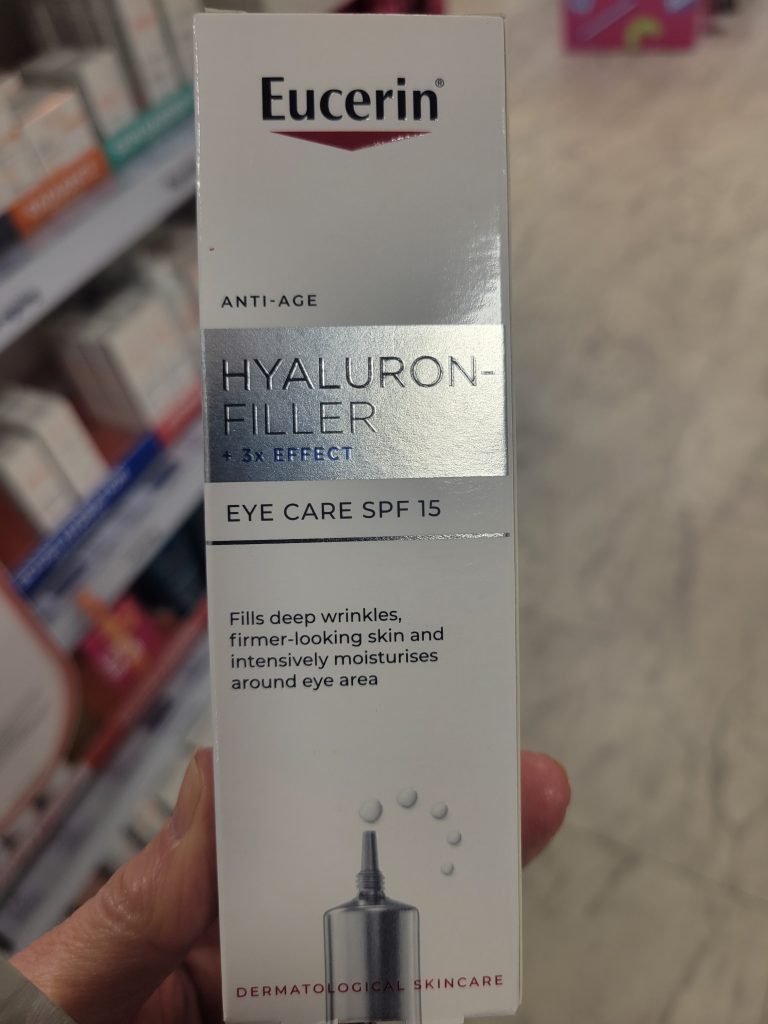
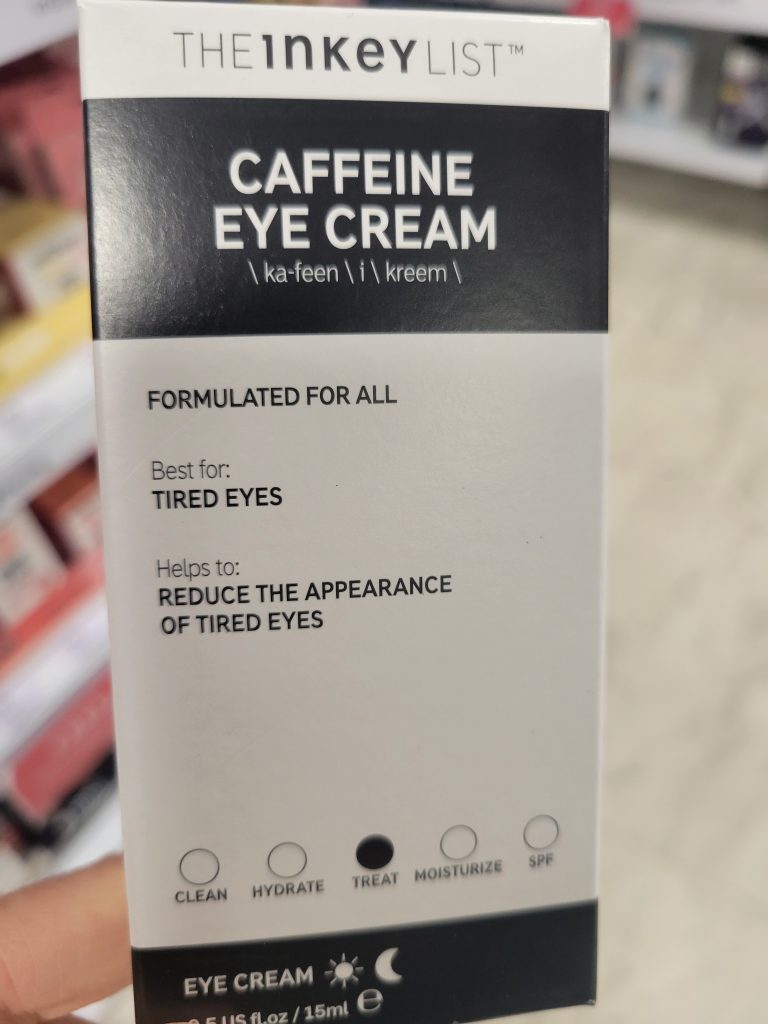
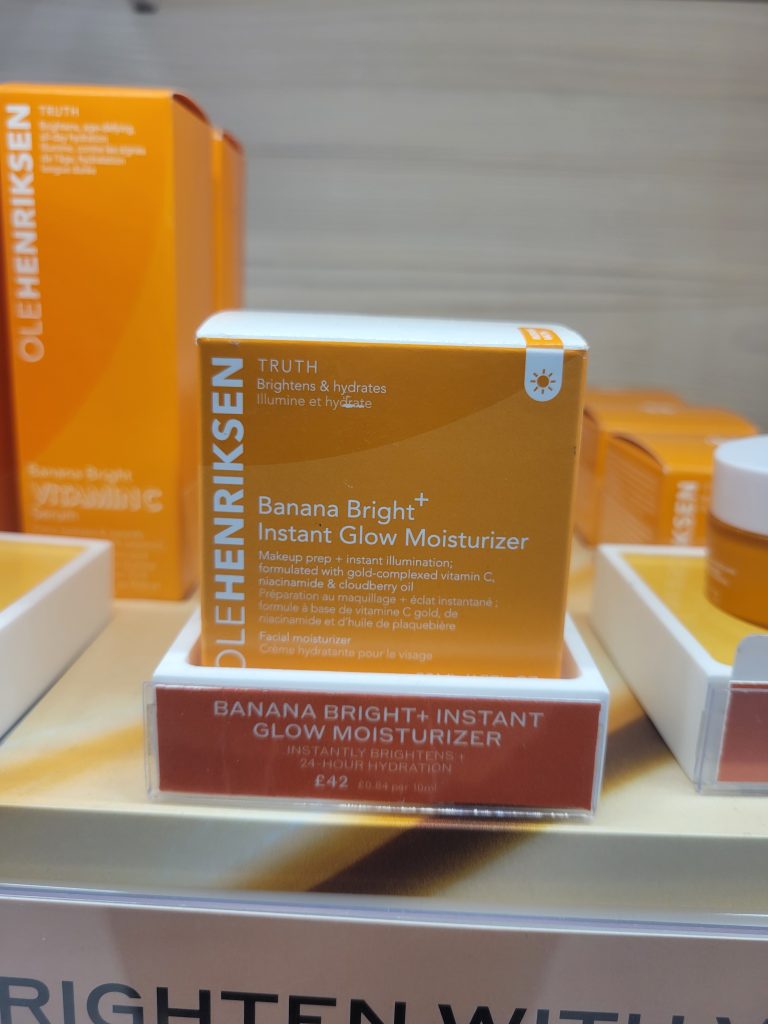
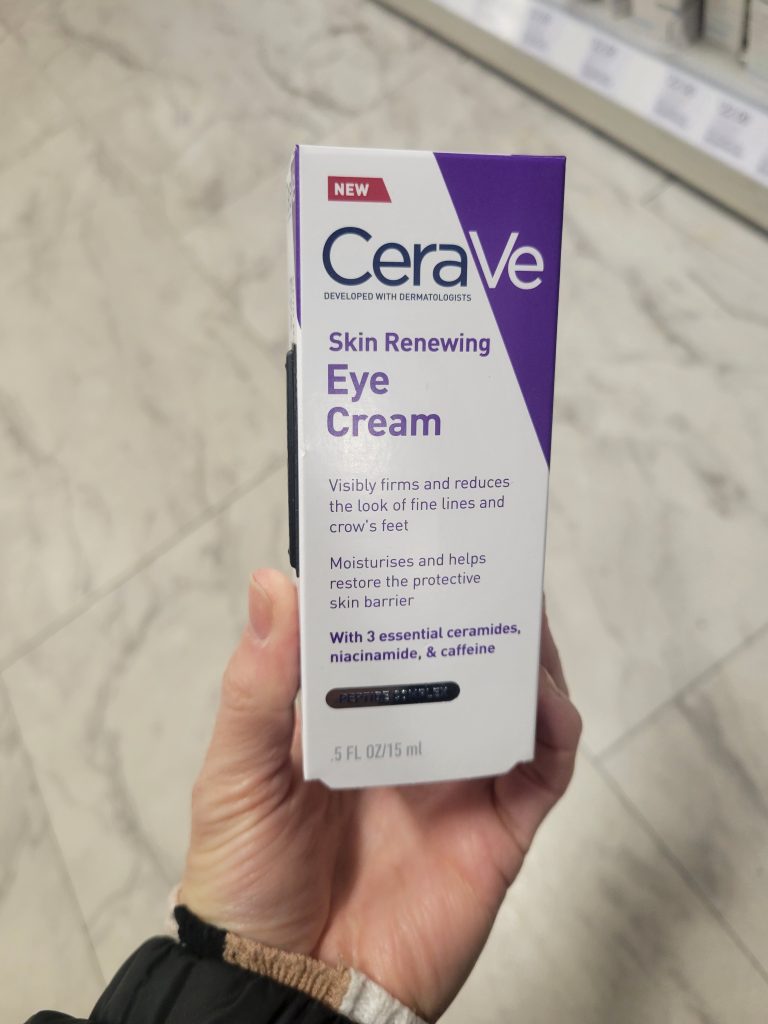
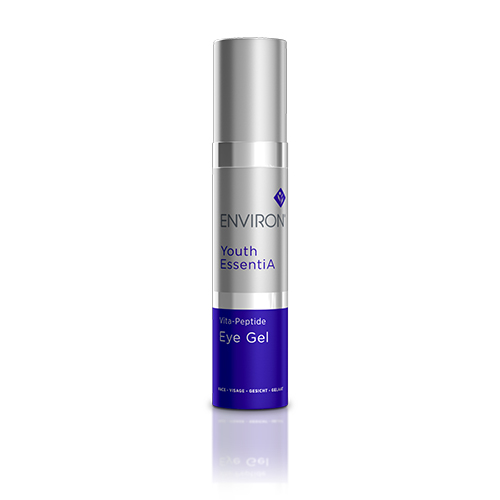
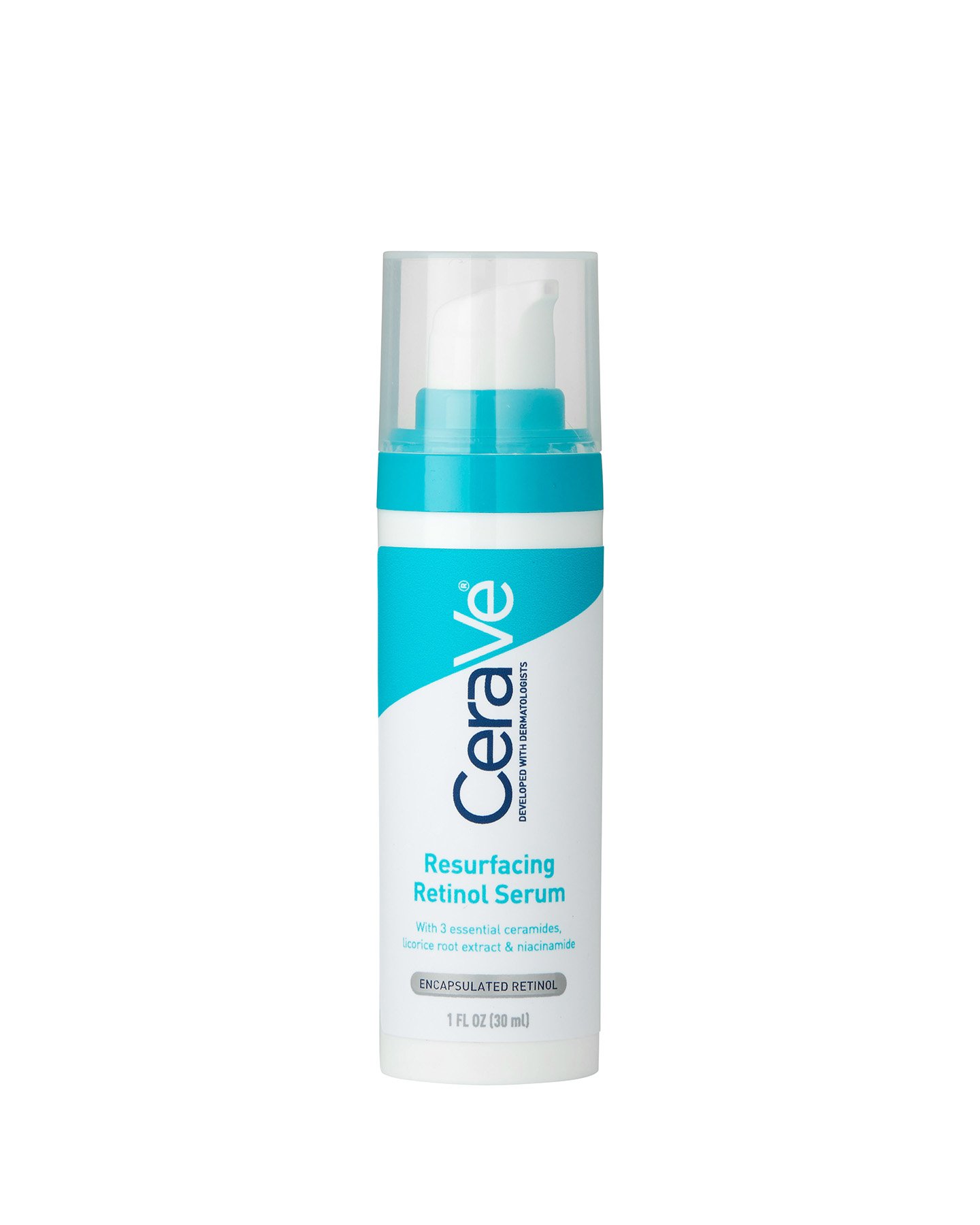
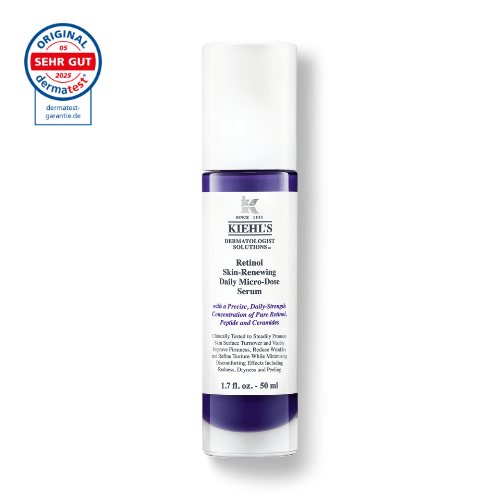
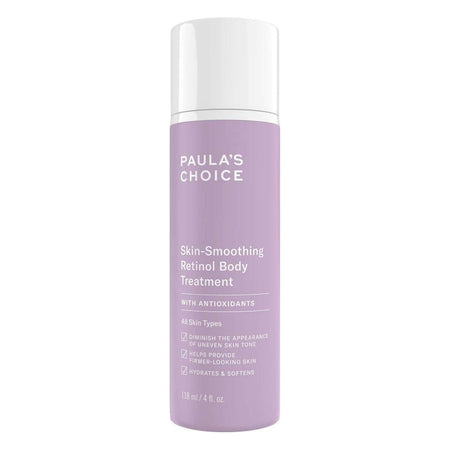
My Recommended Over the counter Retinol Products (Beginner to Advanced)
Some great formulas that are effective, gentle, and reliable.
Comments Off on Supporting the Nervous System During Stressful Periods
I wanted to share my personal experience with the Higher Nature Balance for Nerves supplement. These, as I’ve recently been going through a period where I felt under a lot of pressure and found it harder than usual to properly unwind and switch off.
I tend to prefer exploring supportive, complementary options first before considering anything more formal, so when these were recommended to me, I felt they were worth trying. The formula contains vitamins B3, B6 and B12, along with magnesium, all of which are known to contribute to the normal functioning of the nervous system.
I’ve been taking them twice a day, although they can also be taken once daily. It’s still early days, but I’ve personally found them really effective as part of my overall routine, particularly in feeling calmer and more settled during the day.
I don’t plan to take them continuously long term, but I do think they’re a useful short-term support and something reassuring to have available during busier or more demanding periods. For me, they’ve been a positive addition alongside other supportive habits such as prioritising rest, gentle movement, and winding down properly in the evenings.
About the Formula
This Balance for Nerves formula is designed to support the nervous system and help maintain a sense of balance during periods of increased stress.
It contains a blend of 10 active ingredients, including B vitamins, magnesium, targeted amino acids, and traditional herbs such as lemon balm and passion flower. Theanine, which is naturally found in green tea, is also included and is commonly associated with promoting a relaxed state.
Stress & Skin
Ongoing stress can influence the skin in a number of ways, including increased oil production, sensitivity, barrier disruption, and flare-ups of existing skin conditions. Over time, this can affect the skin’s ability to maintain balance and resilience, which is why supporting overall wellbeing is an important part of a holistic approach to skin health.
Comments Off on Menopause and Skin: What Happens and How to Support Your Skin
Menopause triggers hormonal changes that significantly affect the skin. One of the most impactful is collagen loss.
Studies show that women lose around 30% of their skin’s collagen within the first five years of menopause. After this, collagen continues to decline by approximately 2% per year for the next 20 years.
Signs of Collagen Loss During Menopause
As collagen levels drop, skin structure weakens, leading to visible changes such as:
Loss of firmness and elasticity
Sagging skin and jowl formation
Deepening smile lines (nasolabial folds)
Wrinkles that remain visible at rest
Drooping of the nasal tip
Under-eye puffiness and hollows
Enlarged pores due to reduced skin support
How to Prevent and Improve Sagging Skin During Menopause
1. Daily Sun Protection
UV exposure accelerates collagen breakdown. Using a broad-spectrum SPF daily is one of the most effective ways to protect menopausal skin and prevent premature ageing.
2. Use Collagen-Supporting Skincare
Ingredients such as retinol and peptides are clinically proven to support collagen production and improve firmness.
Skin ageing accelerates from the inside during menopause.
Advanced Nutrition Programme Collagen Support helps maintain skin firmness and resilience
Omega fatty acids act as an internal moisturiser, strengthening the skin barrier and helping calm inflamed or reactive skin
Menopausal Acne: Why It Happens
As oestrogen levels fall, some women develop adult acne, often around the jawline, chin, and lower cheeks.
Menopausal skin is typically drier and thinner, so harsh acne treatments designed for teenage skin can worsen irritation and inflammation.
What Works Better
Gentle cleansers with salicylic acid to unclog pores (Always patch test first)
Avoid drying or alcohol-based acne products
Focus on barrier repair rather than stripping the skin
10 Skincare Habits That Can Worsen Acne in Mature Skin
Over-cleansing
Using foaming or stripping cleansers
Skipping moisturiser
Over-exfoliating
Using high-strength acne treatments too often
Combining too many active ingredients
Picking or squeezing spots
Using fragranced products
Ignoring dehydration
Not adapting skincare as hormones change
A calm, supportive routine is key for menopausal acne.
Sensitive Skin, Rashes & Irritation During Menopause
As skin pH rises around midlife, sensitivity increases. Conditions such as eczema or rosacea may flare more easily.
What Helps
Use fragrance-free moisturisers
Simplify your routine if irritation appears
Seek professional advice if dryness or rashes persist
Why Skin Heals More Slowly During Menopause
Hormones play a crucial role in wound healing. As levels drop, skin repairs itself more slowly.
Skin-Healing Tips
Allow blemishes time to heal
Avoid picking or over-treating
Use nourishing, reparative skincare
Final Thoughts: What Will You Change?
Menopausal skin changes are natural but they are not something you have to simply accept. With the right skincare, supplements, and professional guidance, it’s possible to maintain strong, healthy, resilient skin throughout menopause.
If you feel unsure where to start, a dermatologist or qualified aesthetician can create a personalised plan tailored to your skin’s needs.
Comments Off on Electrolysis vs Laser Hair Removal: Which is Right for You?
What is Electrolysis?
Electrolysis is a hair removal technique that uses electric currents to destroy hair follicles, preventing hair from growing back. This method has been around for over a century and is recognised as a highly effective means of achieving permanent hair removal. Unlike temporary methods such as shaving or waxing, electrolysis targets the root of the hair, offering a more permanent solution.
The process is performed by a trained electrologist who uses a fine probe to deliver an electrical current directly into the hair follicle. This current causes localised damage to the follicle, inhibiting its ability to produce new hair. Electrolysis can be used on virtually any part of the body, making it a versatile option for people seeking long-term hair removal.
One of the unique aspects of electrolysis is its ability to treat all hair types and skin tones. Unlike some other hair removal methods, which may be less effective on certain hair colours or skin types, electrolysis can effectively target and remove any hair, regardless of its characteristics.
How Electrolysis Works
The process of electrolysis involves inserting a tiny, sterile probe into the hair follicle. This probe delivers a small amount of electrical energy directly to the follicle, causing thermal or chemical damage. There are three primary types of electrolysis: galvanic, thermolysis, and blend. Each type utilises different methods to disrupt the hair follicle.
Galvanic electrolysis uses a direct current to produce a chemical reaction within the follicle, generating lye, which destroys the follicle over time. Thermolysis, on the other hand, employs an alternating current to generate heat, effectively cauterizing the follicle. The blend method combines both galvanic and thermolysis techniques, offering the advantages of both approaches for more efficient hair removal.
The procedure is typically performed in a series of sessions, as each hair follicle must be treated individually. The number of sessions required varies depending on factors such as the area being treated, hair density, and individual hair growth cycles. While some people may notice a reduction in hair growth after just a few treatments, others may require more extensive sessions to achieve the desired results.
Benefits of Electrolysis
One of the primary benefits of electrolysis is its ability to provide permanent hair removal. Unlike other methods that offer temporary results, electrolysis targets the hair follicle directly, ensuring that treated hairs do not grow back. This makes it an ideal solution for individuals looking to achieve long-lasting smoothness without the need for ongoing maintenance.
Another advantage of electrolysis is its versatility. It can be used on almost any part of the body, including the face, neck, arms, legs, back, and bikini area. This makes it suitable for both small, delicate areas and larger regions with dense hair growth. Additionally, electrolysis is effective on all hair types and skin tones, making it an inclusive option for people with diverse hair removal needs.
Electrolysis is also a safe and well-established procedure. It has been used for over a century and is endorsed by various medical and dermatological associations. When performed by a qualified electrologist, the risk of side effects is minimal. While some individuals may experience temporary redness or swelling, these symptoms typically subside within a few hours.
What is Laser Hair Removal?
Laser hair removal is a popular method of reducing unwanted hair using concentrated light beams to target hair follicles. The procedure involves using a laser device that emits a specific wavelength of light, which is absorbed by the pigment (melanin) in the hair. This absorption generates heat, damaging the hair follicle and inhibiting future hair growth.
The technology behind laser hair removal has evolved significantly since its introduction in the mid-1990s. Modern laser systems offer increased precision, allowing practitioners to target hair follicles more effectively while minimising damage to surrounding skin. As a result, laser hair removal has become one of the most sought-after cosmetic procedures for both men and women.
Laser hair removal can be performed on various parts of the body, including the face, legs, arms, underarms, and bikini area. The procedure is typically faster than electrolysis, as the laser can treat multiple hair follicles simultaneously. This makes it an attractive option for individuals seeking efficient hair reduction over larger areas.
How Laser Hair Removal Works
Laser hair removal works by emitting a concentrated beam of light that penetrates the skin and targets the melanin in the hair. The light energy is converted into heat, which damages the hair follicle and inhibits its ability to produce new hair. This process is known as selective photothermolysis, as the laser selectively targets the pigment in the hair while sparing the surrounding skin.
The effectiveness of laser hair removal depends on several factors, including hair colour, skin type, and the area being treated. Generally, individuals with lighter skin and darker hair achieve the best results, as the contrast between the hair and skin allows the laser to target the follicles more accurately. However, advancements in laser technology have made it possible to treat a wider range of skin tones and hair colours.
Laser hair removal typically requires multiple sessions to achieve optimal results. This is because hair grows in cycles, and the laser is most effective during the active growth phase (anagen phase). Multiple treatments ensure that all hair follicles are targeted during their growth cycle, leading to a significant reduction in hair growth over time.
Benefits of Laser Hair Removal
One of the most notable benefits of laser hair removal is its efficiency. The procedure can treat large areas of the body quickly, making it ideal for individuals with busy schedules. For example, a session targeting both legs may take as little as an hour, whereas electrolysis for the same area would require significantly more time.
Laser hair removal also offers long-lasting results. While it does not guarantee permanent hair removal for everyone, many individuals experience a substantial reduction in hair growth after completing a series of treatments. The remaining hair is often finer and lighter in colour, making it less noticeable and easier to manage.
Another advantage of laser hair removal is its precision. The laser can selectively target dark, coarse hairs while leaving the surrounding skin undamaged. This precision reduces the risk of skin irritation and minimizes the chances of adverse effects such as ingrown hairs or hyperpigmentation. Moreover, advances in laser technology have made the procedure safer and more comfortable, with many devices featuring cooling mechanisms to protect the skin and enhance patient comfort.
Key Differences Between Electrolysis and Laser Hair Removal
While both electrolysis and laser hair removal aim to reduce unwanted hair, there are several key differences between the two methods. One of the most significant distinctions is their approach to hair removal. Electrolysis targets individual hair follicles using an electric current, whereas laser hair removal uses light energy to treat multiple follicles simultaneously. This fundamental difference in technique affects various aspects of the procedures, including treatment duration, effectiveness, and suitability for different hair types and skin tones.
Electrolysis is known for its ability to provide permanent hair removal, as it directly destroys the hair follicle. In contrast, laser hair removal typically offers long-lasting hair reduction rather than complete permanence. While many individuals experience significant and prolonged hair reduction with laser treatments, there is a possibility that some hair may eventually regrow, albeit finer and lighter.
The suitability of each method for different hair and skin types also varies. Electrolysis is effective on all hair colours and skin tones, making it a versatile option for a diverse range of individuals. Laser hair removal, on the other hand, is most effective on individuals with lighter skin and darker hair due to the laser’s reliance on melanin for targeting follicles. However, advancements in laser technology have expanded its applicability to a broader spectrum of skin tones and hair colours.
Factors to Consider When Choosing a Hair Removal Method
When deciding between electrolysis and laser hair removal, there are several factors to consider to determine which method is best suited for your needs. One important consideration is your hair and skin type. If you have light skin and dark hair, you may find laser hair removal to be a faster and more efficient option. However, if you have lighter hair or a darker skin tone, electrolysis may be a more reliable choice for achieving permanent results.
Another factor to consider is the area of the body you wish to treat. Laser hair removal is generally more efficient for larger areas, such as the legs or back, due to its ability to target multiple hair follicles at once. Electrolysis, with its precision in treating individual follicles, may be better suited for smaller, more delicate areas, such as the eyebrows or upper lip.
Cost and time commitment are also important considerations. Electrolysis often requires more sessions due to its follicle-by-follicle approach, which can result in higher overall costs and a greater time investment. Laser hair removal, while potentially requiring fewer sessions, can still be a significant financial commitment. It’s essential to weigh the long-term benefits against the initial investment to determine which method aligns with your budget and lifestyle.
Conclusion: Making the Right Choice for You
Choosing between electrolysis and laser hair removal ultimately depends on your individual needs, preferences, and hair removal goals. Both methods offer distinct advantages and can be highly effective in reducing unwanted hair. By understanding the key differences and considering factors such as hair and skin type, treatment area, cost, and time commitment, you can make an informed decision that best suits your unique circumstances.
Electrolysis remains the gold standard for permanent hair removal, offering versatility and effectiveness across all hair types and skin tones. Its precision and ability to provide lasting results make it an excellent option for those seeking a permanent solution. Laser hair removal, with its efficiency and long-lasting results, is an attractive choice for individuals looking to reduce hair growth quickly and over larger areas.
Ultimately, the right choice is the one that aligns with your personal preferences and goals. By consulting with a qualified professional and thoroughly researching each method, you can embark on your hair removal journey with confidence, knowing that you have selected the best option for your needs.
Comments Off on Clear Skin from the Inside: What I’d Tell My Younger Self
What’s the one thing you would say to your younger self?
If I could speak to my younger self, I’d tell her that truly healthy skin begins on the inside. The expectations placed on women to look a certain way at a certain age fade in comparison to the importance of health and wellbeing because feeling well is what ultimately creates radiant, confident skin. And one more non-negotiable? Never leave the house without SPF. Prevention will always outshine cure. We’re fortunate to live in an era of advanced treatments that can reduce pigmentation, but it’s far better not to need them at all. Daily SPF is the real beauty secret.
My gut has long been my weak spot, and over the years it has affected more than digestion it has influenced my skin, my mood, and even my sleep. The connection between gut health and skin function is now widely recognised; a balanced microbiome supports immune resilience, comfortable digestion, steady energy, and an overall sense of wellbeing. Since taking Skin Youth Biome every day and removing my personal trigger foods, I’ve noticed better sleep and brighter, clearer skin.
In addition to probiotics, what supplements do I take every day and why?
Vitamin B12 (Better You oral spray): I have my levels monitored regularly, and when they dip my energy dips too. B12 supplementation helps me maintain mental focus and physical vitality. I have at times been on prescription B12 but have been trialling this product and find it does help. ( I’m not fussed on the taste)
Skin Omegas by ANP: These work as an internal moisturiser, supporting the skin barrier while helping to calm inflammation. They contain Omega 3 & 6 plus Vitamin A. I’ve noticed that if I do get a breakout since taking Skin Omegas, it doesn’t hang around for long and, importantly, it fades without leaving any marks.
Skin Vit C: Vitamin C is valued in topical skincare for its smoothing and brightening effects, yet research shows that levels decline in ageing and photodamaged skin. Taken orally, it supports collagen formation, immune health, and whole-body wellbeing. ANP’s formula includes zinc and acerola berry, an exceptionally rich natural source containing many times more vitamin C than oranges.
Collagen Support by ANP: Getting older means our natural collagen starts to dip and that’s when skin can feel a little less springy than it used to. This supplement is designed to give your skin a helping hand, bringing together simple, ingredients like vitamin C, zinc, MSM, grapeseed extract, and melon concentrate. I think of it as a daily support to help keep my skin smooth, strong, and glowing, so it stays looking fresh and supple for as long as possible.
I’ve found the right supplements that work really well for me, you may benefit from some of these too however its worth getting advice on what may be most beneficial supplements specific for your needs.
Online Consultations are available or send me an email or DM if you need some help.