
Author Archives: Hilary Lowry

  1. Balancing Body and Mind: The Role of Reflexology in Enhancing Fertility

    Comments Off on Balancing Body and Mind: The Role of Reflexology in Enhancing Fertility

    Are you struggling to conceive? Seeking a holistic approach to enhance your fertility? Look no further than reflexology. Balancing body and mind, reflexology has gained recognition as a powerful therapy that may assist in improving your chances of conception. In this article, we will delve into the role of reflexology and its potential benefits for couples who are trying to conceive.

    Reflexology is a form of complementary therapy that involves the application of pressure to specific points on the feet and hands. By stimulating these reflex points, reflexologists believe they can encourage the body to heal itself and restore balance. When applied to fertility, reflexology aims to regulate the endocrine system, enhance blood circulation, and reduce stress levels, all of which can contribute to promoting fertility.

    Through a combination of relaxation techniques and targeted foot and hand massages, reflexology can support hormonal balance, reduce the impact of stress on the body, and optimise reproductive functioning. Whether you are considering assisted reproductive technology or trying to conceive naturally, reflexology may offer a natural and non-invasive option to support your fertility journey.

    Discover how reflexology can help you on your path to parenthood and unlock the body-mind connection for better reproductive health.

    Understanding reflexology and its benefits

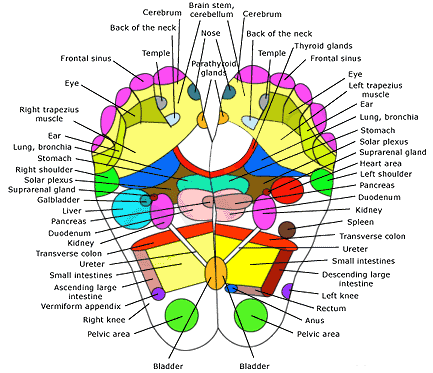
    Reflexology is based on the principle that various reflex areas on the feet and hands correspond to different parts of the body, including reproductive organs. By targeting these specific points, reflexologists can help stimulate the reproductive system and create a harmonious balance within the body. This can be particularly beneficial for individuals who are experiencing hormonal imbalances or reproductive issues.

    In addition to promoting reproductive health, reflexology has been known to offer a range of other benefits. It can help improve overall well-being by reducing pain, alleviating stress, and improving sleep quality. By addressing these underlying factors, reflexology can create an optimal environment for conception to occur.

    The connection between stress and fertility

    Stress has long been recognised as a factor that can impact fertility. When the body is under stress, it enters a state of fight-or-flight, which can disrupt the delicate balance of hormones necessary for conception. Chronic stress can lead to irregular menstrual cycles, hormonal imbalances, and reduced fertility.

    Reflexology offers a holistic approach to managing stress and promoting relaxation. By targeting specific reflex areas, reflexologists can activate the body’s relaxation response, helping to reduce stress levels and restore hormonal balance. This can create a more favourable environment for conception and increase the chances of successful pregnancy.

    Furthermore, reflexology can help individuals cope with the emotional stress often associated with infertility. The journey to parenthood can be emotionally challenging, and reflexology provides a safe space for relaxation and emotional release. By addressing both the physical and emotional aspects of stress, reflexology can support individuals on their fertility journey.

    How reflexology can promote fertility

    Reflexology techniques for enhancing fertility involve a combination of relaxation techniques and targeted foot and hand massages. These techniques aim to stimulate specific reflex points that correspond to the reproductive system, promoting optimal functioning and balance.

    One of the key reflex areas targeted in reflexology for fertility is the pituitary gland. Located in the brain, the pituitary gland plays a crucial role in regulating hormone production. By applying pressure to the reflex point corresponding to the pituitary gland, reflexologists can help regulate hormone levels, including those involved in the reproductive process.

    Another important reflex area is the ovaries. By stimulating the reflex points corresponding to the ovaries, reflexologists can enhance blood circulation to the reproductive organs, providing them with vital nutrients and oxygen. This can help improve the overall health of the ovaries and increase the chances of successful ovulation.

    Additionally, reflexology for fertility often includes techniques that target the adrenal glands, which produce stress hormones such as cortisol. By reducing the impact of stress on the body, reflexology can help create a more balanced hormonal environment, optimising reproductive functioning.

    Reflexology techniques for enhancing fertility

    Reflexology sessions for enhancing fertility typically begin with a thorough consultation to assess the individual’s specific needs and goals. The reflexologist will then proceed with a series of targeted foot and hand massages, applying pressure to the relevant reflex points.

    During the session, the individual will be encouraged to relax and let go of any tension or stress. This is often achieved through deep breathing exercises and visualisation techniques. The reflexologist will use their hands and fingers to apply pressure to the reflex points, using a combination of gentle strokes and more focused pressure.

    Sessions usually last for about an hour, and it is recommended to have regular sessions over a period of several weeks or months to achieve optimal results. The frequency of sessions may vary depending on individual needs and preferences.

    Research and studies on reflexology and fertility

    While reflexology has been practiced for centuries, there is a growing body of research that supports its potential benefits for fertility. Several studies have shown positive outcomes for individuals undergoing reflexology treatments as part of their fertility journey.

    A study published in the Journal of Obstetrics and Gynaecology found that reflexology had a positive impact on menstrual regularity and hormone levels in women with polycystic ovary syndrome (PCOS). Another study published in Complementary Therapies in Clinical Practice showed that reflexology reduced stress levels and improved the quality of life in women undergoing fertility treatment.

    While more research is needed to fully understand the mechanisms behind reflexology’s effects on fertility, these studies suggest that reflexology may be a valuable adjunct therapy for individuals seeking to enhance their fertility.

    Integrating reflexology into your fertility journey

    If you are considering incorporating reflexology into your fertility journey, it is important to consult with a qualified reflexologist. A qualified reflexologist will have completed appropriate training and have experience working with individuals who are trying to conceive.

    During the initial consultation, the reflexologist will assess your specific needs and develop a personalised treatment plan. They will take into consideration your medical history, current fertility status, and any underlying conditions that may impact your fertility.

    It is important to communicate openly with your reflexologist and inform them of any changes or developments in your fertility journey. This will ensure that the reflexology sessions are tailored to your specific needs and goals, maximizing the potential benefits.

    Finding a qualified reflexologist

    When searching for a qualified reflexologist, it is recommended to seek recommendations from trusted sources, such as healthcare professionals or friends who have had positive experiences with reflexology. You can also look for reflexologists who are members of reputable reflexology associations, as these organisations often have strict standards and requirements for their members.

    Before scheduling a session, it is advisable to meet with the reflexologist for an initial consultation. This will give you an opportunity to ask any questions you may have and determine if you feel comfortable and confident in their expertise.

    Other complementary therapies for fertility

    While reflexology can be a valuable tool in enhancing fertility, it is important to consider other complementary therapies that may support your fertility journey. Acupuncture, for example, has been shown to improve fertility outcomes by enhancing blood flow to the reproductive organs and reducing stress levels.

    Other practices such as yoga, meditation, and nutritional therapy can also play a role in promoting fertility. These practices focus on creating a balanced and healthy lifestyle, which can have a positive impact on reproductive health.

    Personal stories and testimonials on reflexology and fertility

    Many individuals and couples who have incorporated reflexology into their fertility journey have reported positive experiences and outcomes. Personal stories and testimonials can provide valuable insights into the potential benefits of reflexology for fertility. However, While personal stories and testimonials can be inspiring, it is important to remember that everyone’s fertility journey is unique. Reflexology may not work for everyone, and it is always advisable to consult with a healthcare professional for personalised advice.

    Conclusion: Harnessing the power of reflexology for fertility

    Balancing body and mind, reflexology offers a natural and non-invasive option for individuals and couples who are trying to enhance their fertility. By stimulating specific reflex points on the feet and hands, reflexology aims to regulate the endocrine system, enhance blood circulation, and reduce stress levels, all of which can contribute to promoting fertility.

    While more research is needed to fully understand the mechanisms behind reflexology’s effects on fertility, the growing body of evidence suggests that reflexology may be a valuable adjunct therapy for individuals seeking to improve their chances of conception.

    By harnessing the power of reflexology, you can unlock the body-mind connection and embark on a holistic approach to enhancing your fertility.

    delete-block
  2. Breaking Down the Benefits: How Electrolysis is Revolutionising the Beauty Industry

    Comments Off on Breaking Down the Benefits: How Electrolysis is Revolutionising the Beauty Industry

    In today’s fast-paced world, the beauty industry is constantly evolving to meet the ever-changing needs and desires of consumers. One technique that has stood the test of time and has been gaining popularity again is electrolysis. This method of hair removal is a game-changer in the beauty industry, offering a long-lasting solution to unwanted hair and taking the concept of hair removal to a whole new level.

    Electrolysis works by using an electric current to destroy hair follicles, resulting in permanent hair removal. Unlike other methods such as waxing or shaving, electrolysis targets the root of the hair, ensuring that it will never grow back. This makes it an ideal solution for anyone looking for a more permanent hair removal solution.

    Not only does electrolysis provide long-term results, but it is also suitable for all skin and hair types. Whether you have light or dark skin, fine or coarse hair, electrolysis can effectively remove unwanted hair safely and efficiently.

    With the advancement of technology, electrolysis has become a sought-after treatment in spas and salons across the globe. Its ability to deliver lasting results has made it a game-changer in the beauty industry, revolutionising the way we think about hair removal.

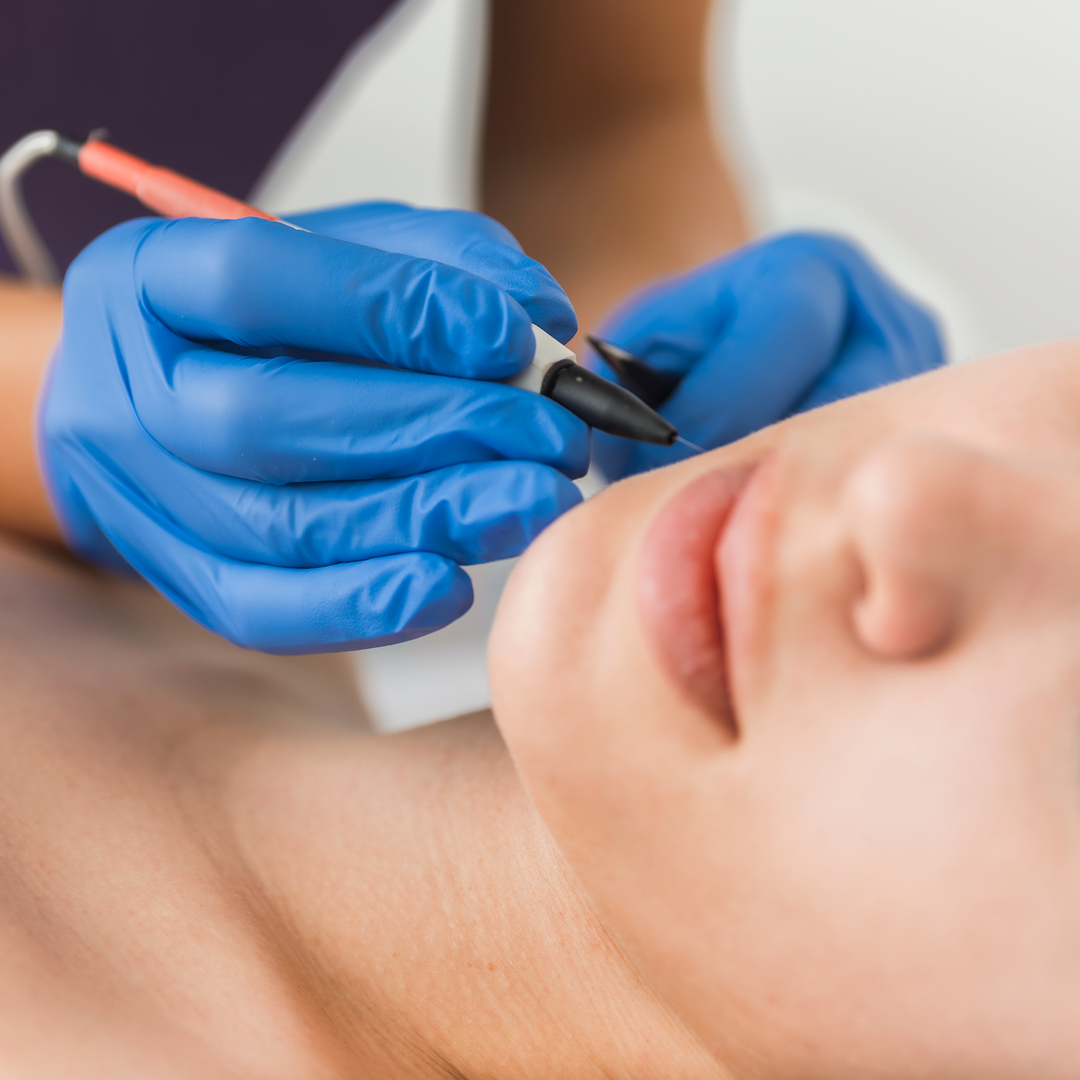
    Electrolysis works by inserting a small needle into the hair follicle. A small electric current is then applied, which destroys the hair follicle and prevents future hair growth. The process is repeated for each hair follicle, ensuring that all unwanted hair is effectively removed.

    The history of electrolysis in the beauty industry

    The concept of electrolysis dates back to the late 19th century when a dermatologist named Dr. Charles Michel introduced the technique as a means of removing ingrown eyelashes. Since then, electrolysis has evolved and improved significantly, becoming a widely accepted and sought-after method of hair removal.

    Over the years, advancements in technology have made electrolysis more efficient and less painful. Today, electrolysis machines are equipped with state-of-the-art features that make the process faster and more comfortable for clients. This has contributed to its growing popularity in the beauty industry.

    The benefits of electrolysis over other hair removal methods

    One of the key benefits of electrolysis is its ability to provide long-term results. Unlike other methods such as waxing or shaving, which offer temporary hair removal, electrolysis targets the root of the hair, ensuring that it will never grow back. This means that once the hair is treated with electrolysis, it is gone for good.

    Another advantage of electrolysis is its suitability for all skin and hair types. Whether you have light or dark skin, fine or coarse hair, electrolysis can effectively remove unwanted hair safely and efficiently. This makes it a versatile solution that can be tailored to individual needs.

    Additionally, electrolysis is a safe and FDA-approved method of hair removal. It has been extensively studied and proven to be a reliable and effective treatment for permanent hair removal. With proper aftercare and maintenance, the results of electrolysis can last a lifetime.

    Electrolysis safety and effectiveness

    Electrolysis is a safe and effective method of hair removal when performed by a trained and experienced practitioner. The procedure has been approved by the FDA and has been extensively studied and tested for its safety and efficacy.

    It is important to note that electrolysis is a process that requires multiple sessions to achieve desired results. The number of sessions needed can vary depending on factors such as the size of the treatment area, hair type, and individual response to the treatment. It is recommended to follow the treatment plan provided by the practitioner to ensure optimal results.

    Electrolysis for different skin types and hair colors

    One of the advantages of electrolysis is its suitability for all skin and hair types. Whether you have light or dark skin, fine or coarse hair, electrolysis can effectively remove unwanted hair safely and efficiently. This makes it an inclusive and versatile solution that can cater to a wide range of clients.

    For clients with darker skin tones, electrolysis is a preferred method of hair removal as it does not target the pigment in the hair follicle, reducing the risk of hyperpigmentation or skin damage. The practitioner can adjust the settings accordingly to ensure safe and effective treatment.

    Similarly, electrolysis can effectively treat hair of all colors, including blonde, red, and gray. Unlike laser hair removal, which relies on the contrast between dark hair and light skin, electrolysis targets the hair follicle itself, making it suitable for all hair colors.

    Electrolysis vs laser hair removal

    While both electrolysis and laser hair removal offer long-term hair removal solutions, there are some key differences between the two methods.

    Laser hair removal targets the pigment in the hair follicle, using laser energy to heat and destroy the hair follicle. It is a faster method that can treat larger areas of the body in a shorter amount of time. However, laser hair removal is not suitable for all skin types and hair colors. It is most effective on clients with light skin and dark hair.

    On the other hand, electrolysis targets the hair follicle itself, making it suitable for all skin and hair types. It is a more versatile method that can effectively treat hair of all colors. However, electrolysis can be a time-consuming process as it treats each hair follicle individually.

    The choice between electrolysis and laser hair removal depends on factors such as skin type, hair color, and individual preferences. It is recommended to consult with a trained practitioner to determine the most suitable method for your hair removal needs.

    Electrolysis FAQs and some common misconceptions

    1. Is electrolysis painful?

    Electrolysis is generally well-tolerated by most clients. The sensation experienced during the treatment can vary from person to person, with some describing it as a slight tingling or heat sensation. The discomfort is minimal and temporary.

    2. How many sessions of electrolysis are needed?

    The number of sessions needed can vary depending on factors such as the size of the treatment area, hair type, and individual response to the treatment. On average, clients may require multiple sessions, spaced several weeks apart, to achieve desired results.

    3. Can electrolysis cause scarring?

    When performed by a trained and experienced practitioner, electrolysis is a safe and low-risk procedure. The risk of scarring is minimal. However, it is important to follow the aftercare instructions provided by the practitioner to ensure proper healing and minimise the risk of complications.

    4. Can electrolysis be performed on sensitive areas?

    Yes, electrolysis can be performed on sensitive areas such as the bikini line or underarms. The settings and treatment approach may be adjusted to ensure the comfort and safety of the client.

    5. Does electrolysis work on all hair colors?

    Yes, electrolysis can effectively treat hair of all colors, including blonde, red, and gray. Unlike laser hair removal, which relies on the contrast between dark hair and light skin, electrolysis targets the hair follicle itself, making it suitable for all hair colors.

    Finding a reputable electrolysis practitioner

    When seeking electrolysis treatment, it is important to choose a reputable practitioner who is trained and experienced in performing the procedure. Here are some tips for finding a reputable electrolysis practitioner:

    1. Research: Take the time to research and read reviews of different practitioners in your area. Look for practitioners who have positive reviews and a track record of successful treatments.

    2. Qualifications: Ensure that the practitioner you choose is properly trained and certified in electrolysis. They should have completed a recognised electrolysis training program and hold relevant certifications.

    3. Consultation: Schedule a consultation with the practitioner before committing to the treatment. This will give you the opportunity to ask questions, discuss your goals and expectations, and assess the practitioner’s expertise and professionalism.

    4. Cleanliness and hygiene: Pay attention to the cleanliness and hygiene practices of the practitioner’s facility. The treatment room should be clean and well-maintained, and the practitioner should follow strict sterilisation protocols.

    5. Communication: Choose a practitioner who listens to your concerns, answers your questions, and provides clear and detailed information about the treatment process. They should be able to explain the procedure, potential risks, and expected results in a way that you can understand.

    By following these tips, you can find a reputable electrolysis practitioner who will provide safe and effective treatment.

    Conclusion

    Electrolysis has revolutionised the beauty industry by offering a long-lasting solution to unwanted hair. Its ability to provide permanent hair removal, suitability for all skin and hair types, and safety and effectiveness have made it a sought-after treatment in spas and salons worldwide.

    Whether you are tired of waxing, shaving, or laser hair removal, electrolysis offers a game-changing solution that can free you from the hassle of unwanted hair. Experience the breakthrough that is electrolysis and say goodbye to unwanted hair for good.

  3. Seasonal SOS: Protecting Your Hands Through All the Weather

    Comments Off on Seasonal SOS: Protecting Your Hands Through All the Weather

    Ah, the changing seasons. A time for open fires, cozy nights, and… unfortunately, havoc on our precious hands. From the bone-chilling dryness of winter to the sun-sapping heat of summer, each season presents its own unique set of challenges for keeping our hands soft, smooth, and protected.

    But fear not, with a little preparation and some seasonal-specific knowledge, we can weather any storm and keep our mitts looking and feeling their best year-round. So, grab your favourite hand cream and let’s dive into our ultimate guide to seasonal hand protection!

    Winter Warriors: Battling the Brrr

    Winter might be a wonderland for snow bunnies, but for our hands, it’s a harsh mistress. The cold, dry air zaps moisture, leaving skin cracked, flaky, and downright painful. To combat this wintery woe, we need to layer up our hand-care routine:

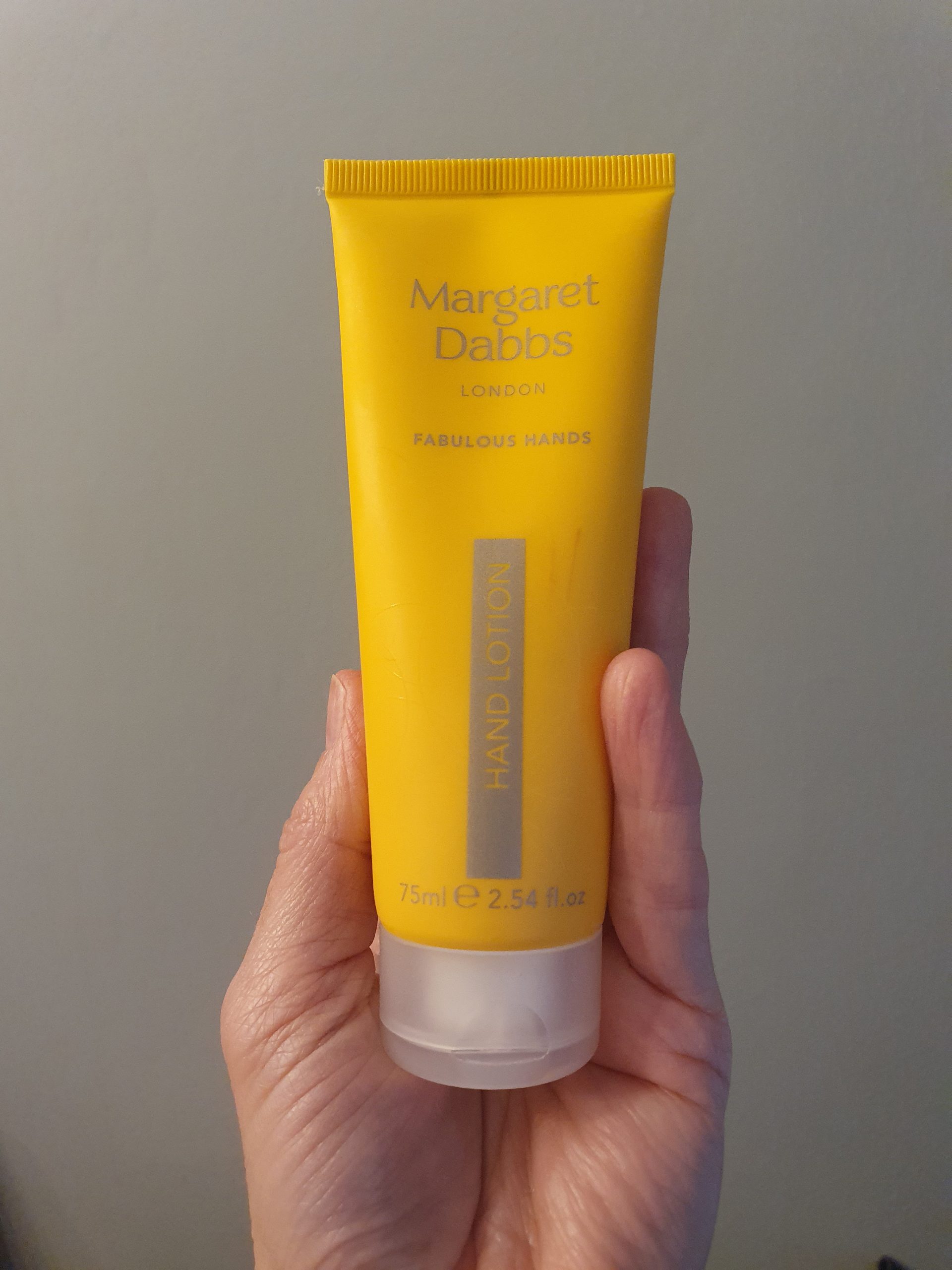
    • Moisturise, moisturise, moisturise! Opt for thick, creamy formulas packed with emollients like shea butter and ceramides to lock in moisture and prevent dryness. Apply generously throughout the day, especially after washing your hands. My new favourite – Margaret Dabbs, Fabulous Hands, no surprise really that I love this as one of the ingredients is geranium which I adore. https://www.margaretdabbs.co.uk/intensive-hydrating-hand-cream-tube/
    • Don’t forget the SPF! Just because the sun is hiding doesn’t mean its harmful UV rays aren’t still lurking. Choose a hand cream with SPF 30 or higher to protect against premature ageing and sun damage. Hello Sunday- The one for your hands is available in Space NK, its lightweight and absorbs quickly which is handy ( excuse the pun) https://www.spacenk.com/uk/sun-tan/suncare/body-spf/the-one-for-your-hands—hand-cream%3A-spf-30-MUK200033972.html
    • Wear gloves, wear gloves, WEAR GLOVES! This is non-negotiable. Whether you’re braving the elements on your daily commute or shovelling the driveway, shield your hands from the harsh wind and biting cold with a good pair of insulated gloves.

    Spring Fling: Embracing the Renewal

    Spring is a time for rejuvenation, and our hands deserve a fresh start too. Exfoliate gently to remove dead skin cells and boost circulation, then follow up with a lighter moisturiser to replace the heavy winter creams.

    Here are some spring-specific tips:

    • Embrace the natural oils. As the weather warms, your hands will naturally produce more oil. Don’t over-wash, as this can strip away these protective oils and lead to dryness.
    • Get your hands dirty (in a good way)! Gardening is a great way to get some vitamin D and give your hands a natural exfoliation treatment. Just be sure to wear gloves when handling harsh chemicals or thorny plants.
    • Brighten up with antioxidants. Spring is the perfect time to incorporate antioxidant-rich ingredients like vitamin C and green tea into your hand-care routine. These goodies help fight free radicals and protect your skin from environmental damage. Have you tried Necessaire, the hand cream? This is fantastic for dry hands, really creamy ( a great one in the winter months).

    Summer Sun Seekers: Staying Cool and Protected

    Summer sun is glorious, but it can be brutal on our hands. Sunburn, dryness, and hyperpigmentation are all potential hazards. To keep your hands looking and feeling summer-ready:

    • Sunscreen is your BFF. Apply a broad-spectrum sunscreen with SPF 30 or higher to your hands every single day, reapplying every two hours, especially if you’re swimming or sweating.
    • Seek shade and hydration. Avoid prolonged sun exposure during peak hours, and make sure to stay hydrated by drinking plenty of water throughout the day.
    • Cool it down with soothing ingredients. Look for hand creams with ingredients like aloe vera and cucumber to cool and refresh sun-exposed skin. ( Hello Sunday, mentioned earlier contains Aloe Vera)

    Autumn Leaves: Cozy Up and Nourish

    As the days grow shorter and the air turns crisp, our hands need a bit of extra TLC. The cooler temperatures and increased indoor heating can lead to dryness and irritation. Here’s how to pamper your hands during autumn:

    • Exfoliate and hydrate regularly. Continue with your gentle exfoliation routine and switch back to a richer, thicker moisturiser to combat the drying effects of fall weather. The Body Exfoliator by Necessaire is addictive.
    • Give yourself a hand massage. Take some time each day to give your hands a loving massage with a nourishing oil or cream. This will boost circulation and improve overall skin health.
    • Treat yourself to a DIY hand mask. Try Mixing together some mashed avocado, honey, and olive oil for a homemade hand mask that will leave your skin feeling soft and supple.

    By following these seasonal tips and tricks, you can keep your hands happy and healthy all year long. Remember, consistency is key! Make hand care a part of your daily routine, and you’ll be rewarded with soft, smooth, and beautiful hands that are ready to take on anything the seasons throw your way.

    Bonus Tip: Don’t forget to take care of your nails too!

  4. 2024 Skincare Goals

    Comments Off on 2024 Skincare Goals

    Get ready to glow in 2024 with these skincare goals!

    Step up your routine with daily SPF application, regular exfoliation, and proper hydration. Incorporate gentle cleansers and serums for a clear complexion. Remember, consistency is key for healthy, radiant skin.

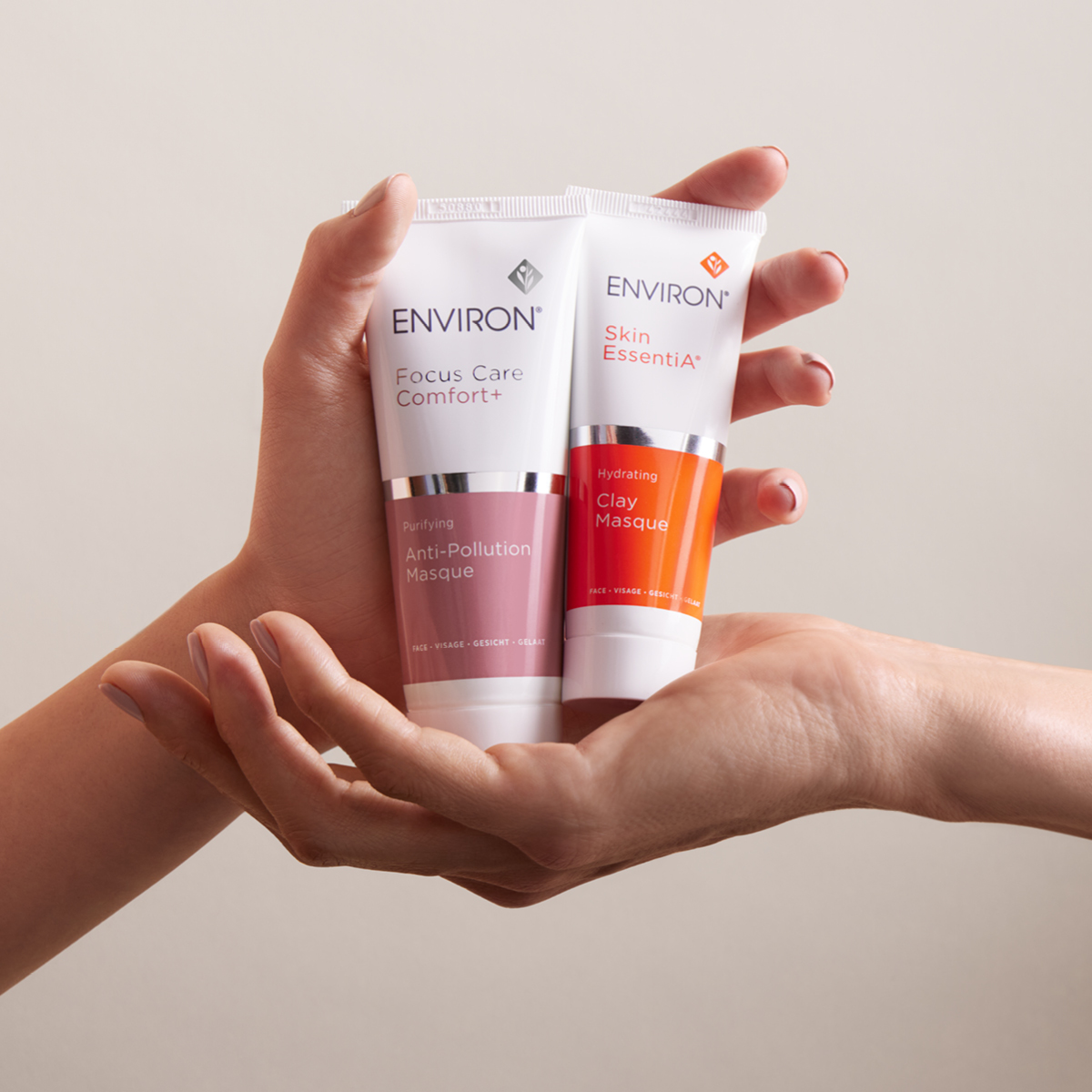
    Discovering new skin products is always exciting! From hydrating moisturisers to gentle cleansers, finding the right products can make a significant difference in your skincare routine. My favourite skin products include a nourishing serum that adds radiance, Environ Avance Elixer, a soothing face mask for some self-care, Environ Anti-pollution Mask ( this mask can be left on overnight and leaves my skin glowing) and of course a trusty SPF to protect my skin, my favourite is Mesoprotech moisturising sun protection.

    Each product plays a crucial role in taking care of my skin’s needs.

    To book a virtual or a face to face consultation select the Book now tab on our home page.

  5. How to get rid of Milia.

    Comments Off on How to get rid of Milia.

    Milia are small white (ish) looking bumps which form when a build up of dead cells and sebum build up and get trapped beneath the surface of the skin, in essence, forming a closed duct. Most commonly they are found around the eye area but can also form on other areas of the face.

    Milia can be due to genetics. However there are other causes,including sun-damage and creamy product formulations. Using thick products and formulas can cause milia due to the clogging of pores. Cleansing and exfoliating properly can definitely help.

    Opt for non- comedogenic eye products formulated with retinol and peptides, these won’t clog the skin and are great for stimulating collagen. If you are prone to milia, gel and lightweight products are best. It is a good idea to add a salicylic or glycolic toner into your skincare regime, these ingredients facilitate cell turnover and remove dead cells.

    Unlike whiteheads or blackheads, milia won’t budge, no matter how hard you squeeze. You should not attempt to squeeze or try to extract them on your own as this can cause trauma to the skin and scarring.

    The good news is there are ways to treat milia. Typically, an aesthetician will use a small micro-lance needle to safely and hygienically remove the milia.

    Products we love:

  6. The effects Menopause has on your skin

    Comments Off on The effects Menopause has on your skin

    Did you know that around one third of women in the entire population of the UK face challenges with menopause? 

    Menopause can throw your skin into a spin and means our skincare regime may need a shake-up. The skin changes in many ways including thinning skin, lower collagen levels and dryness.  Healthy skin starts from within so understanding what nutrition is best for healthy skin can improve the challenges we face with menopausal skin.

    What is the menopause?

    Put simply, menopause is when a woman stops getting periods and can no longer get pregnant as part of the natural ageing process. The ovaries stop releasing eggs, and levels of reproductive hormones including oestrogen and progesterone fall. Usually menopause occurs between the ages of 45-55 although one in a hundred woman under 40 in the UK experience menopause

    Common symptoms of the menopause include difficulty sleeping, hot flushes, lack of energy, brain fog, headaches, loss of confidence and low mood. Menopause can also impact the skin.

    What happens to skin during the menopause? 

    Oestrogen is closely involved in many processes in the skin. This means that when oestrogen levels start to fluctuate during the peri menopause, and fall after the menopause, it often has a knock-on effect on skin. Skin changes include thinning skin, lower collagen levels, fine lines and wrinkles, loss of elasticity, dryness, problem skin and sensitivity. There are many nutritional ingredients can help support your skin during this time.

    Skin Conditions and Nutritional recommendations:

    Dry, itchy and sensitive skin.

    When there is less oestrogen in the body, less hyaluronic acid is produced. As a result, skin may appear dry, less plump and lacking in hydration.  Hyaluronic acid plays a crucial role in ensuring the skin stays hydrated and vibrant.

    The skin researchers at Advanced Nutrition Programme recommend ingredients such as hyaluronic acid, ceramides, vitamin A and omega fatty acids to support the skin barrier and to keep the skin moisturised and plump.

    Skin Omegas+, Skin Vit A+ Delivering intensive moisture and hydration for a dry and dehydrated complexion.

    SHOP SKIN ILLUMINATOR

    https://beautyhavenbelfast.com/product/skin-illuminator

    Thinning skin, fine lines, and wrinkles  

    Collagen is a protein that helps to provide the foundation for our skin – creating a structure that keeps it plump and resilient. Lower collagen and elastin levels cause the skin to become thinner, less firm and make fine lines and wrinkles appear more visible. In the first 5 years of Menopause we lose up to 30% of our collagen.

    Advanced Nutrition Programme skin experts recommend taking collagen supporting ingredients including zinc, vitamin C, MSM, and phytonutrients.

    Captivated by Collagen?

    SHOP SKIN REJUVENATOR

    https://beautyhavenbelfast.com/product/skin-rejuvenator

    Problem skin 

    Just when you think your teens are over and with it no more skin problems, skin can become a common complaint for menopausal women. Changes to the skin’s pH, and to the levels of oil produced by the skin are also thought to contribute to the increased likelihood of problem skin during the menopause causing many menopausal women to experience acne

    SHOP SKIN CLARIFIER

    https://beautyhavenbelfast.com/product/skin-clarifier

    Menopause and the gut 

    When Oestrogen levels change during menopause the bacteria in the gut also changes. Maintaining a diverse, healthy microbiome is vital to overall wellbeing and skin health.

    To support the gut-skin connection, ANP recommend taking their award-winning biome supplements.

    Skin Youth Biome™ uses next generation microbiome technology featuring six skin-friendly bacteria to target the seven signs of ageing: fine lines, wrinkles, elasticity, uneven skin tone, dullness, dryness, and thinning skin. Happier gut = happier skin.

    SHOP SKIN YOUTH BIOME